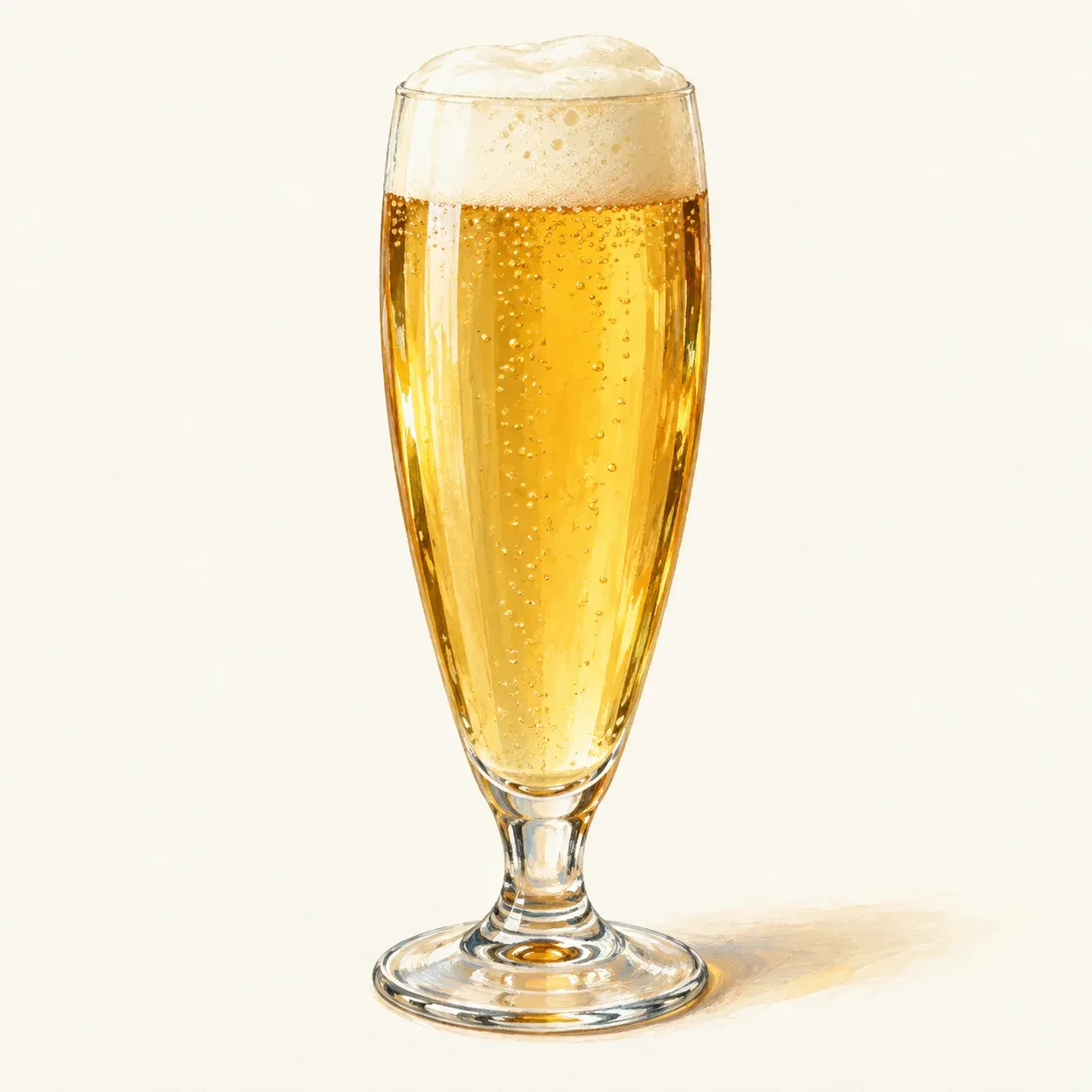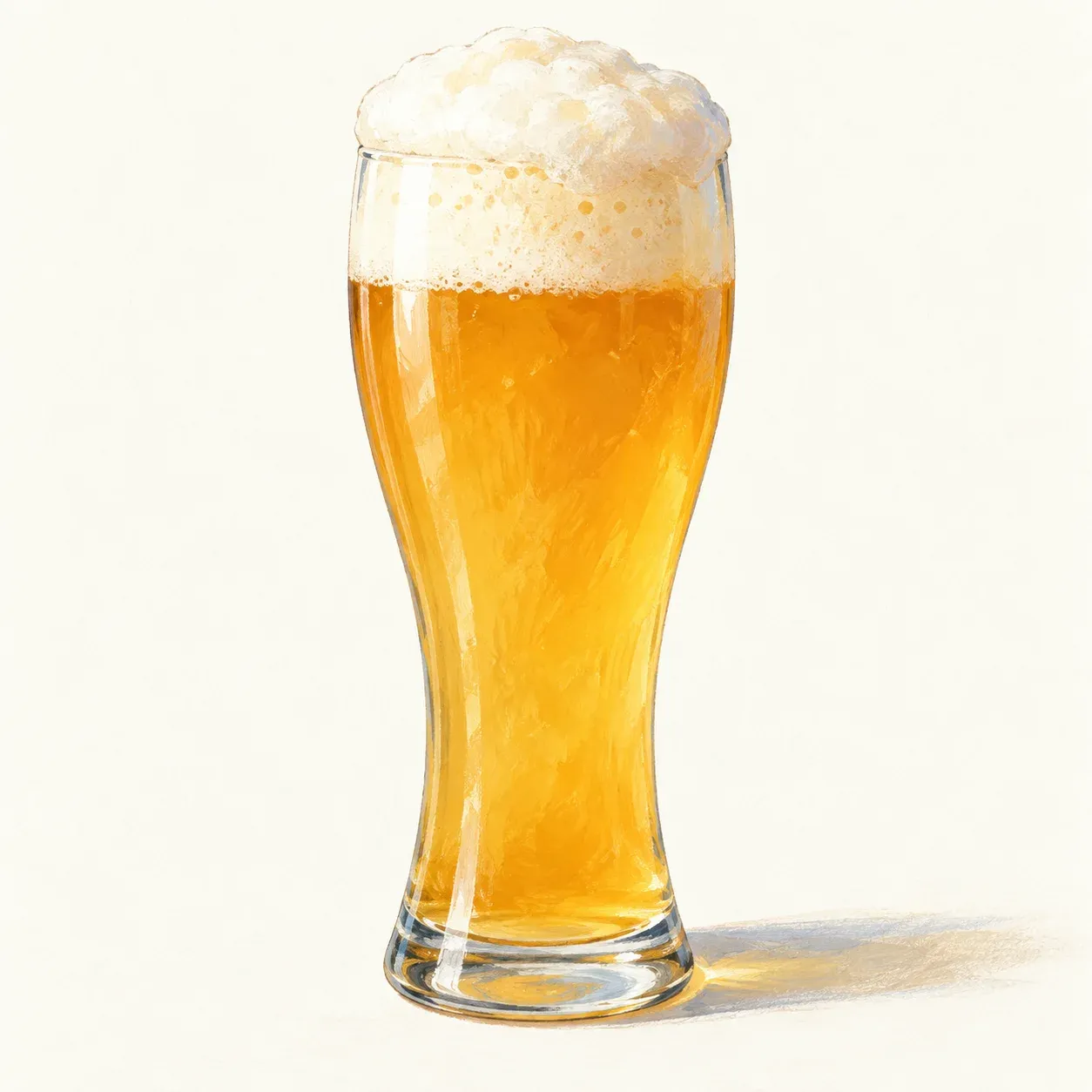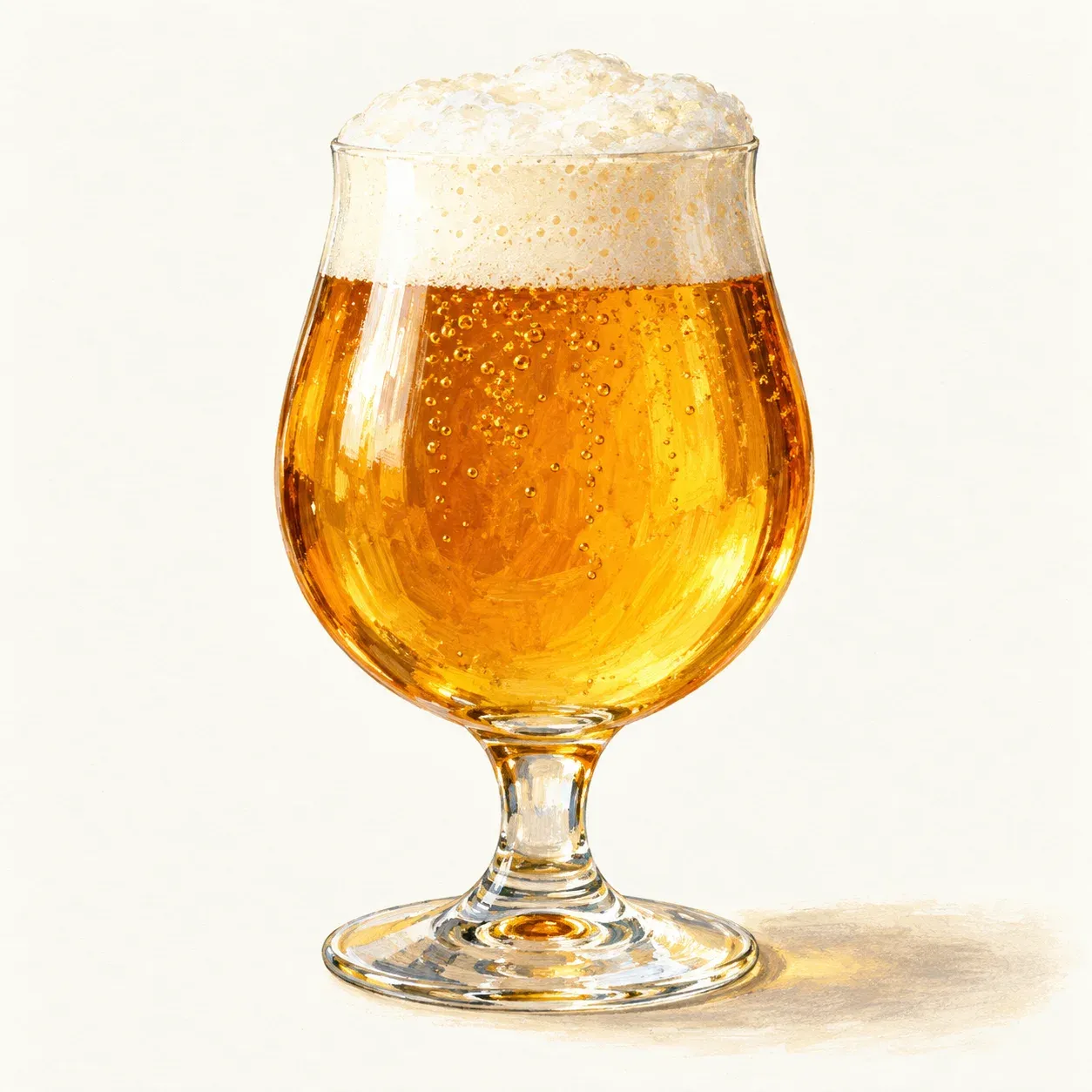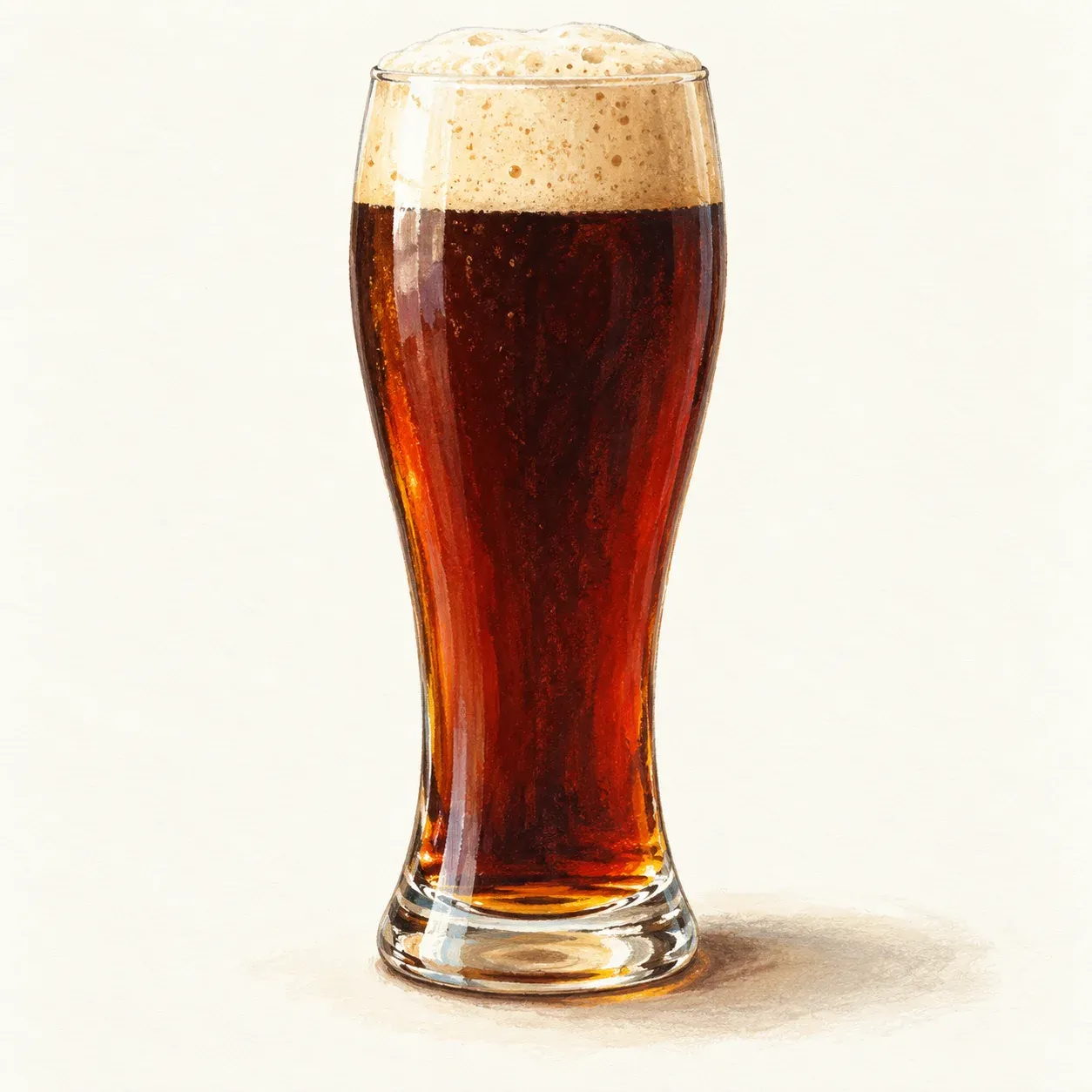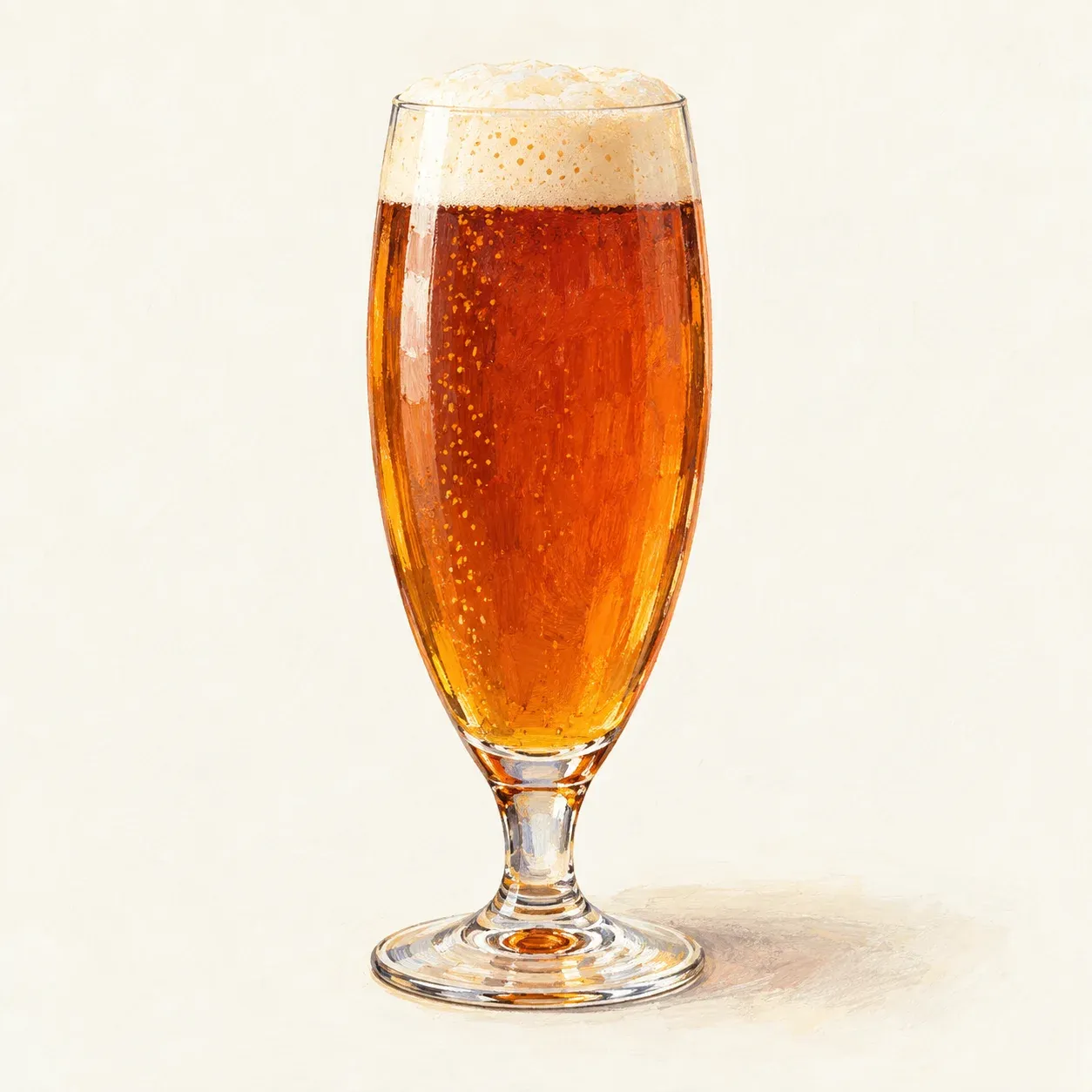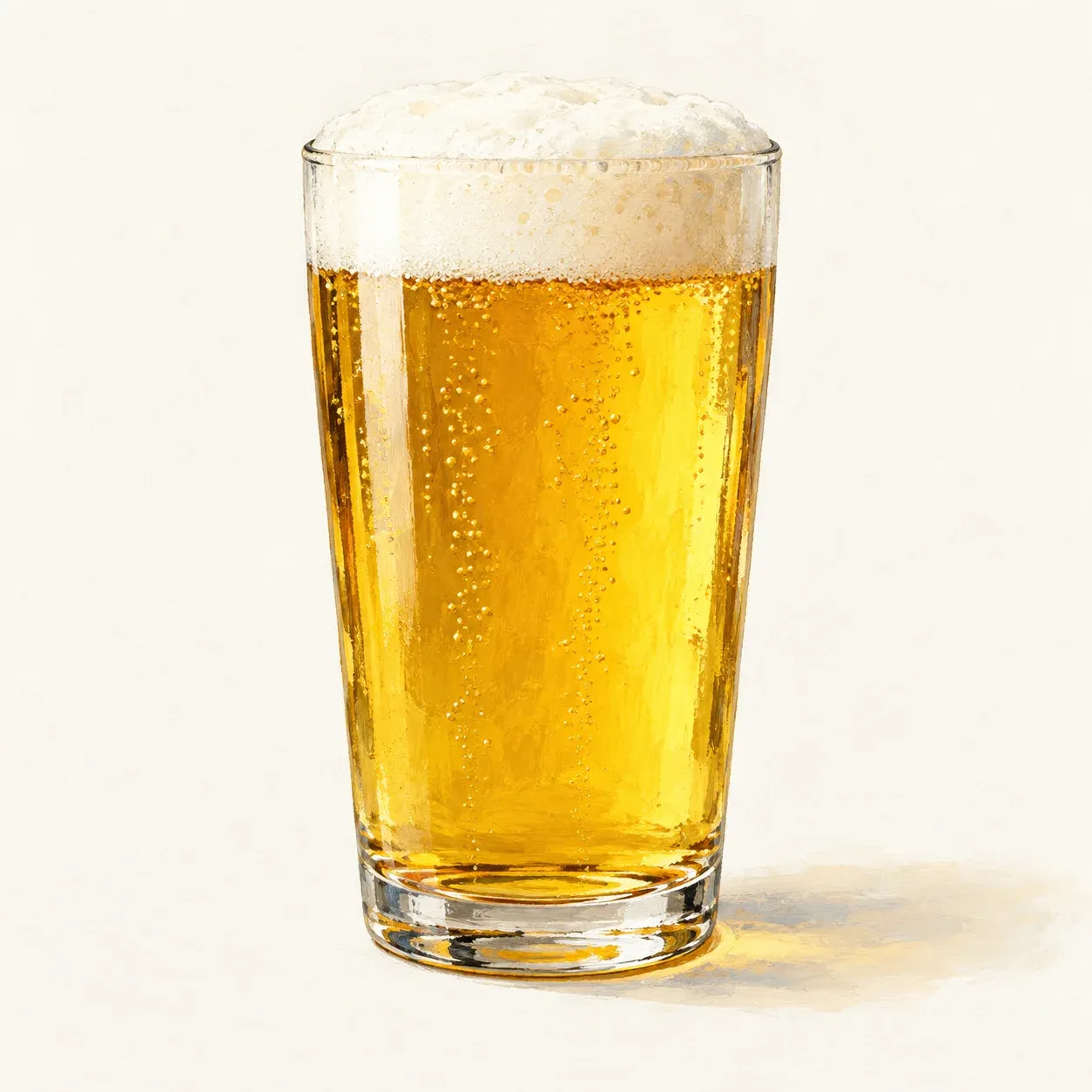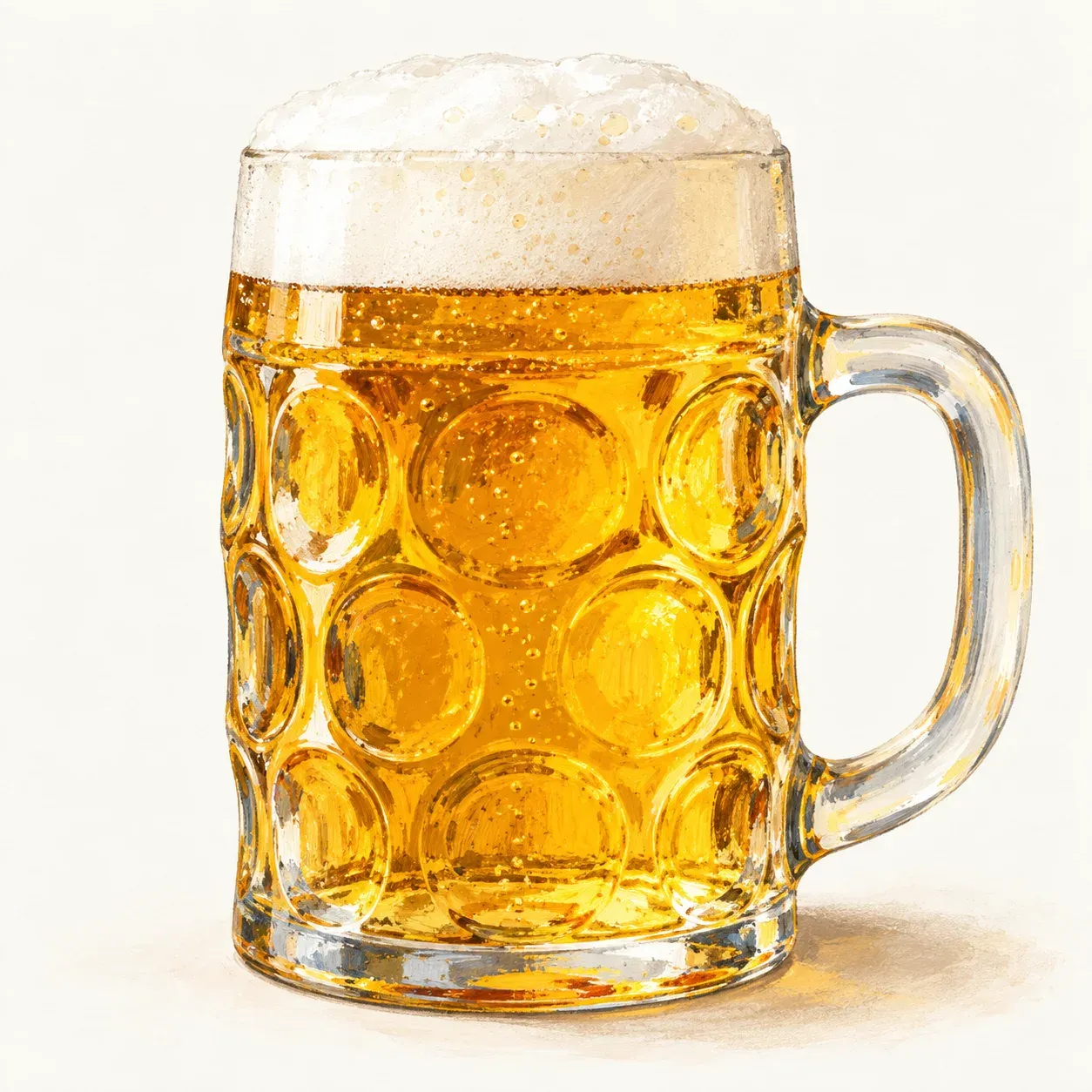
A Festbier pours deep yellow to deep gold, brilliantly clear, under a lasting white head. It tastes of soft, rich Pilsner malt with a hint of toast and bread dough, a light floral or spicy hop and a moderate bitterness that keeps the balance on the malt side. It is smooth, crisp without being dry, and its 5.8–6.3% alcohol barely shows.
Where it comes from
It is the modern beer of the Oktoberfest. Paulaner created the golden version in the mid-1970s, finding the traditional amber Oktoberfest beer too filling, and since 1990 most of the beer served at the Oktoberfest has been in this style. Under German and EU rules Oktoberfestbier is a protected name for beer from the large breweries inside Munich, brewed for the festival, which is why the BJCP calls the style Festbier. Those breweries are Augustiner, Hacker-Pschorr, Hofbräu, Löwenbräu, Paulaner and Spaten.
Brewers use mostly Pilsner malt with some Vienna or Munich malt for extra malt. The differences between examples come mostly from the maltster and the yeast.
Next to its neighbours
It is less intense and less toasty than a Märzen, the amber beer it replaced at the festival, and stronger, fuller and hoppier than a Munich Helles.
Festbier in numbers
- Classic examples
- Augustiner-Bräu, Hacker-Pschorr, Löwenbräu, Hofbräu München, Paulaner, Weihenstephan
- Original gravity
- 1.054–1.057
- Final gravity
- 1.010–1.012
- Also called
- Wiesn, Oktoberfestbier (a protected name for Munich breweries)
- Classic examples
- Augustiner Oktoberfest; Hacker-Pschorr Superior Festbier; Hofbräu Oktoberfestbier; Löwenbräu Oktoberfestbier; Paulaner Oktoberfest Bier; Weihenstephaner Festbier
- BJCP style
- 4B Festbier
Sources
Checked .
- 4B. Festbier, 2021 Beer Style Guidelines — Beer Judge Certification Program