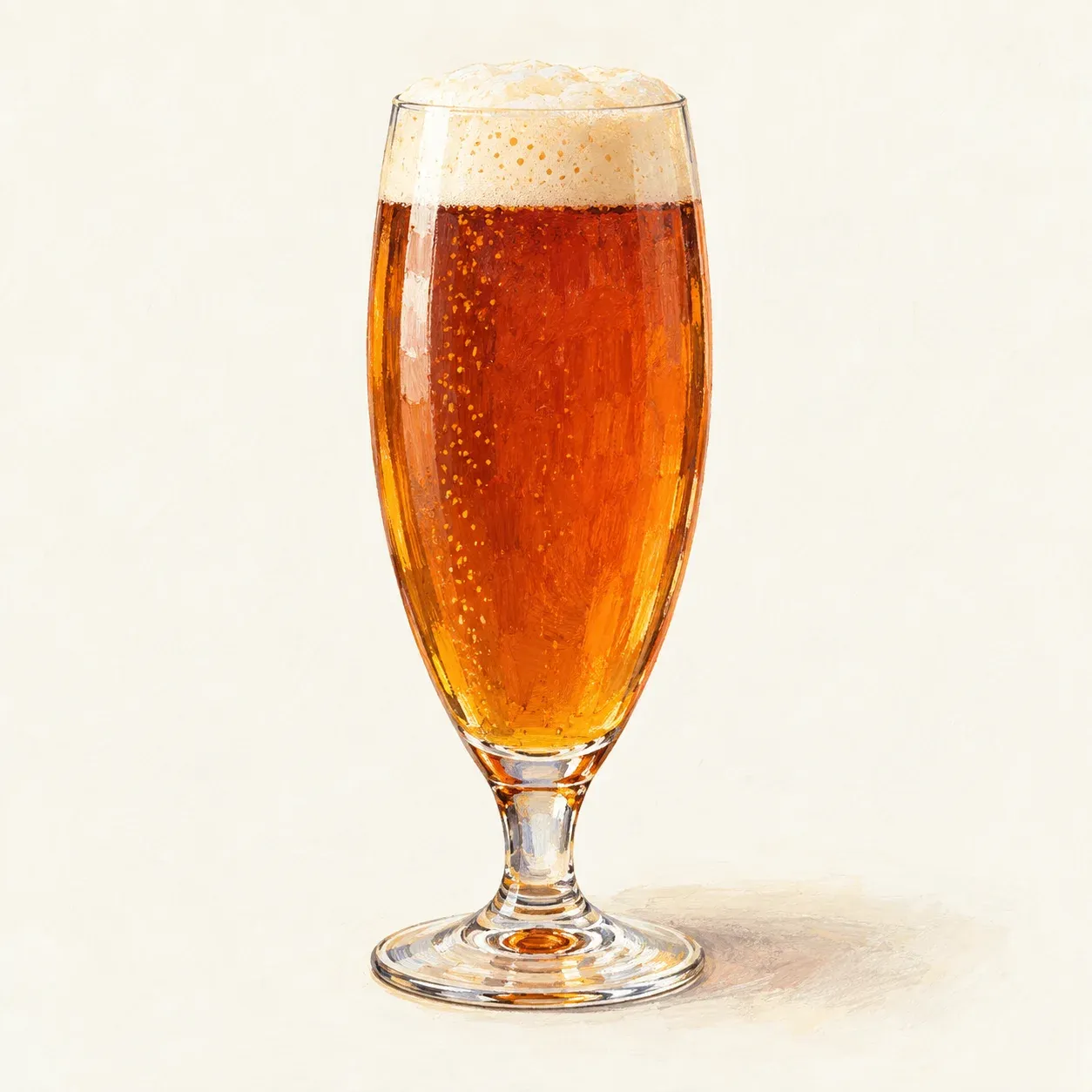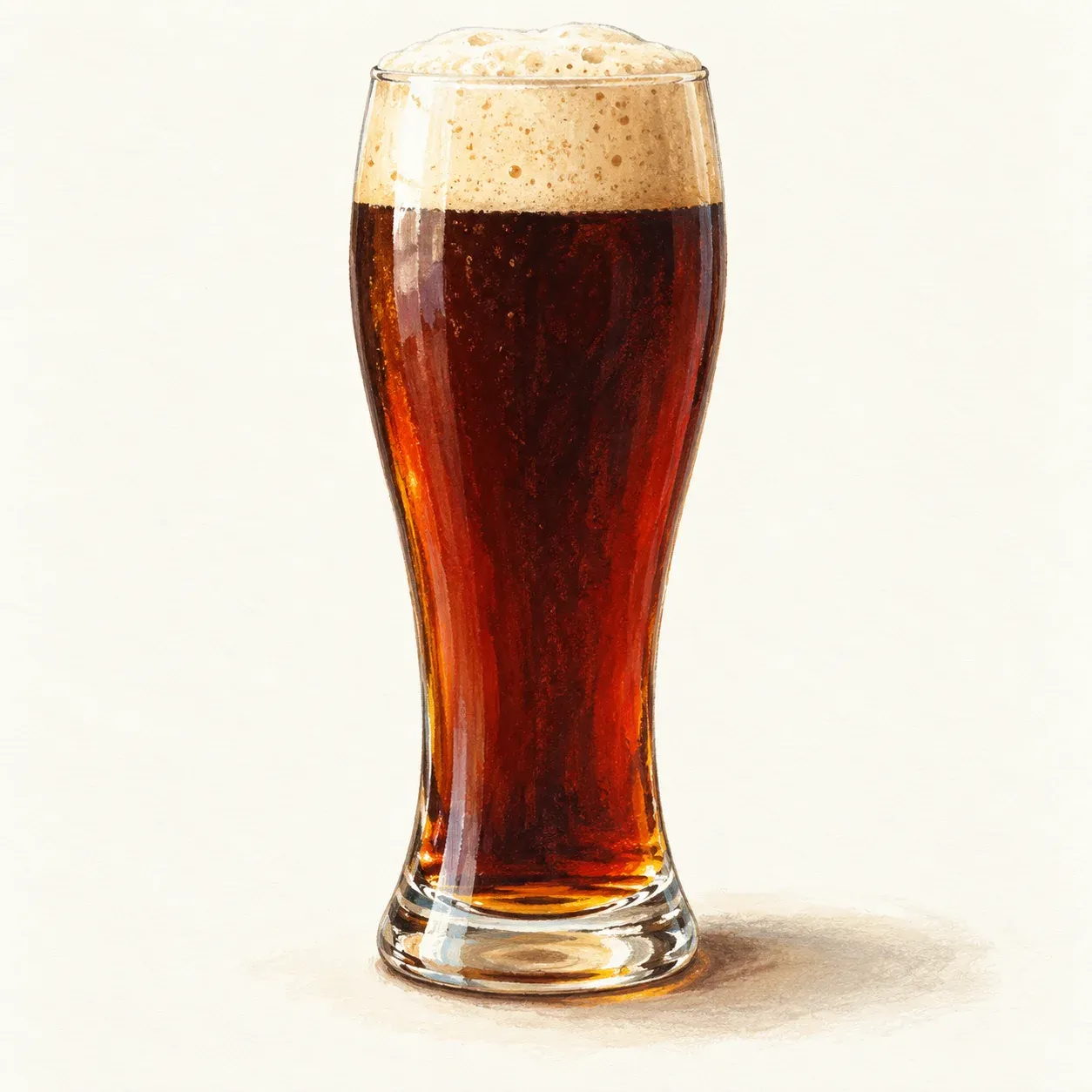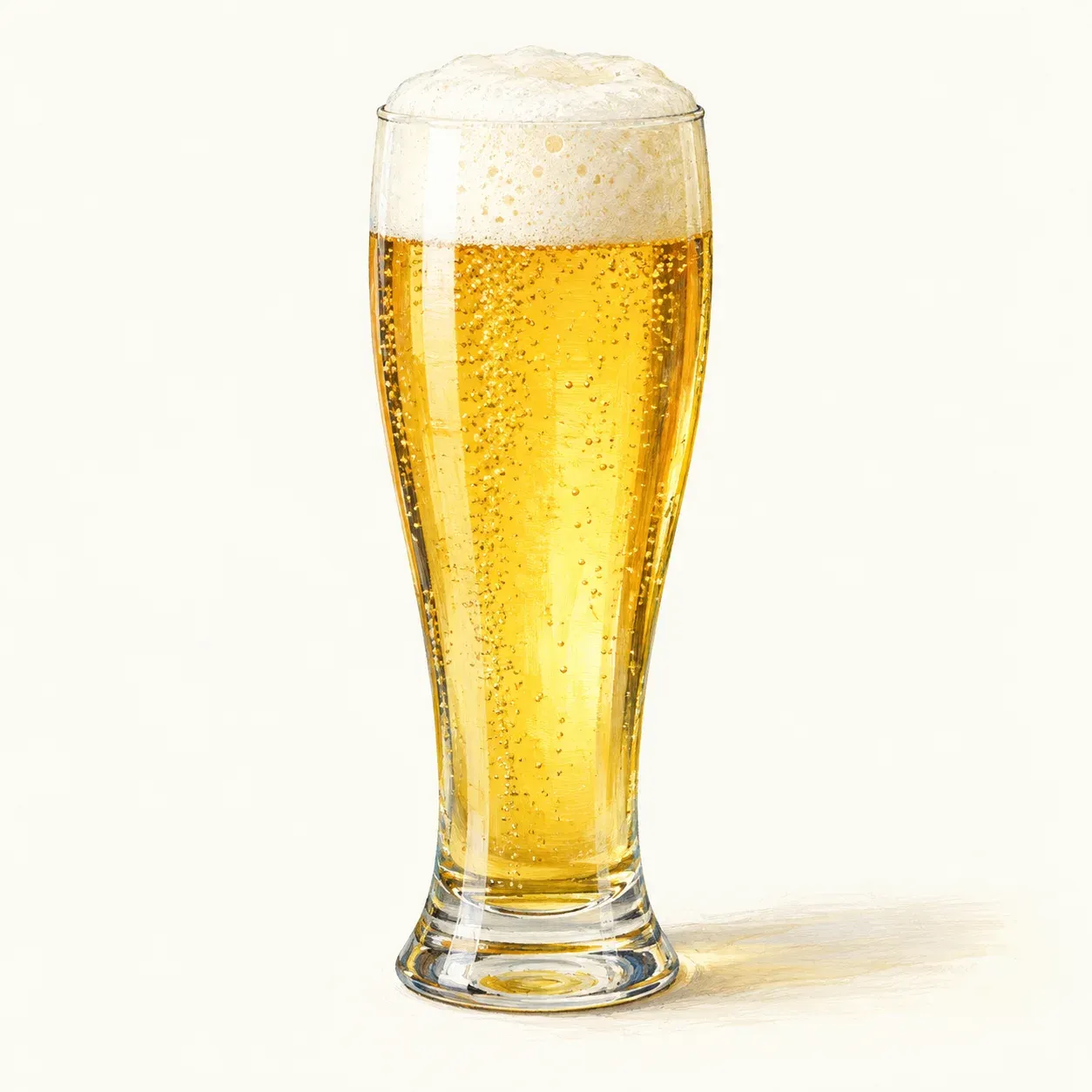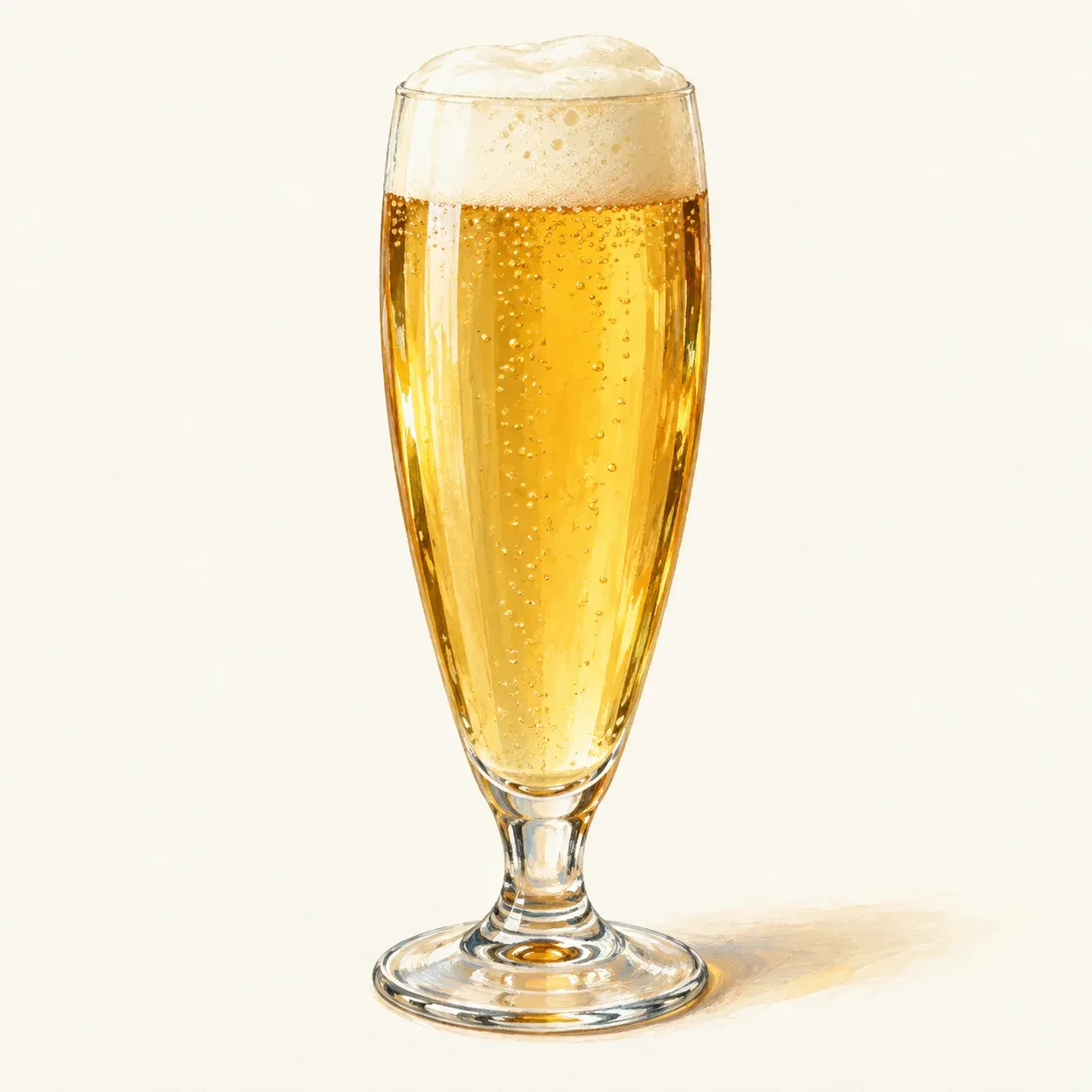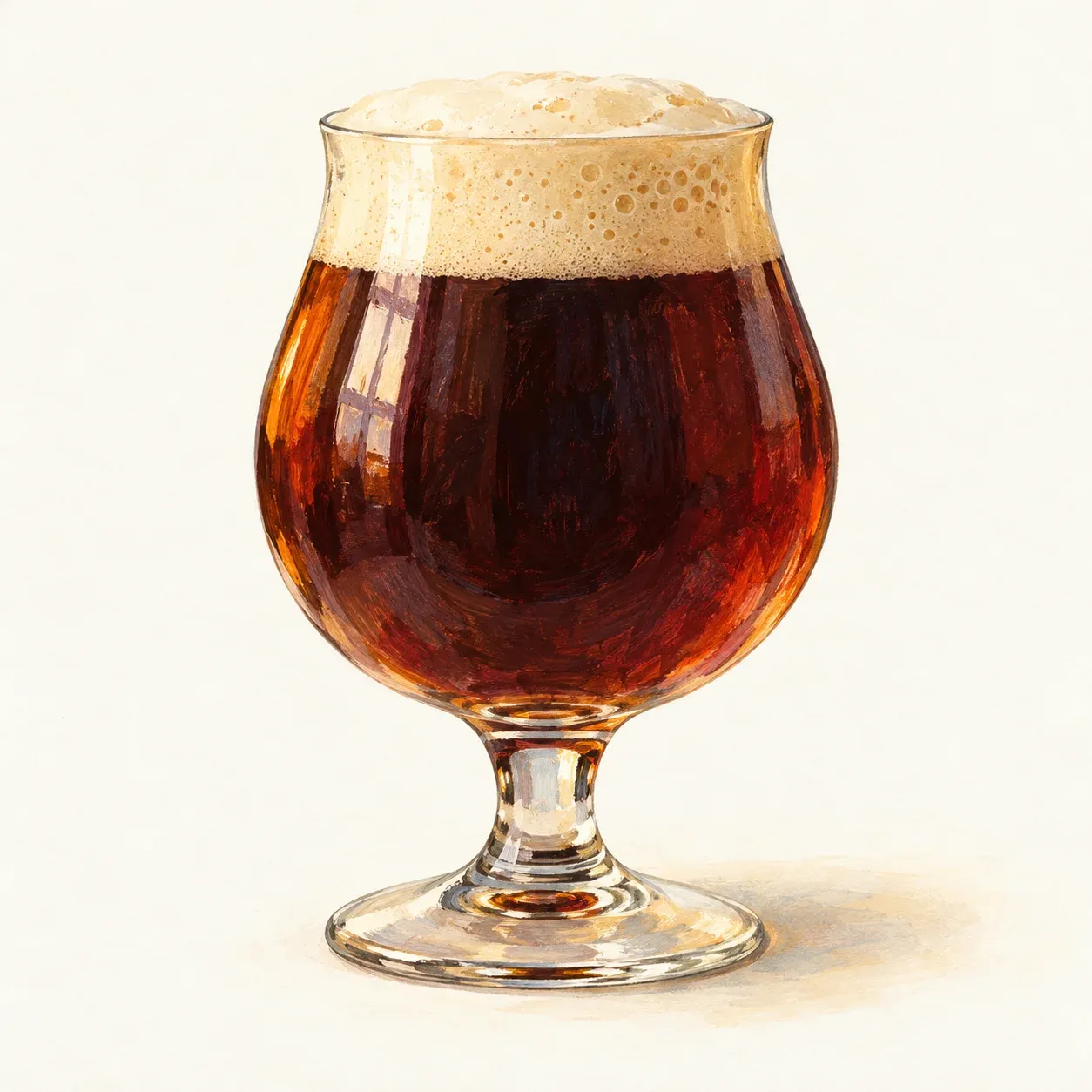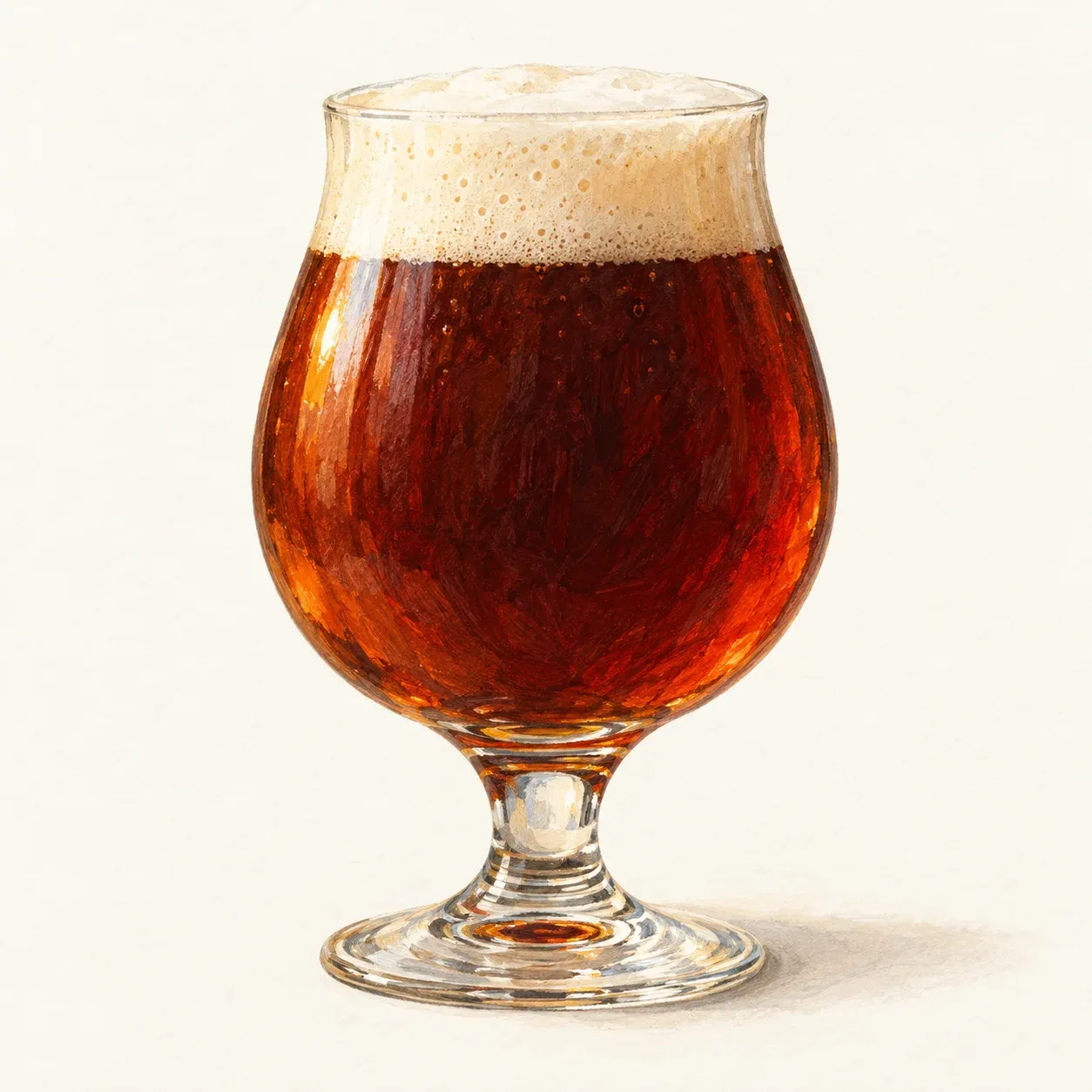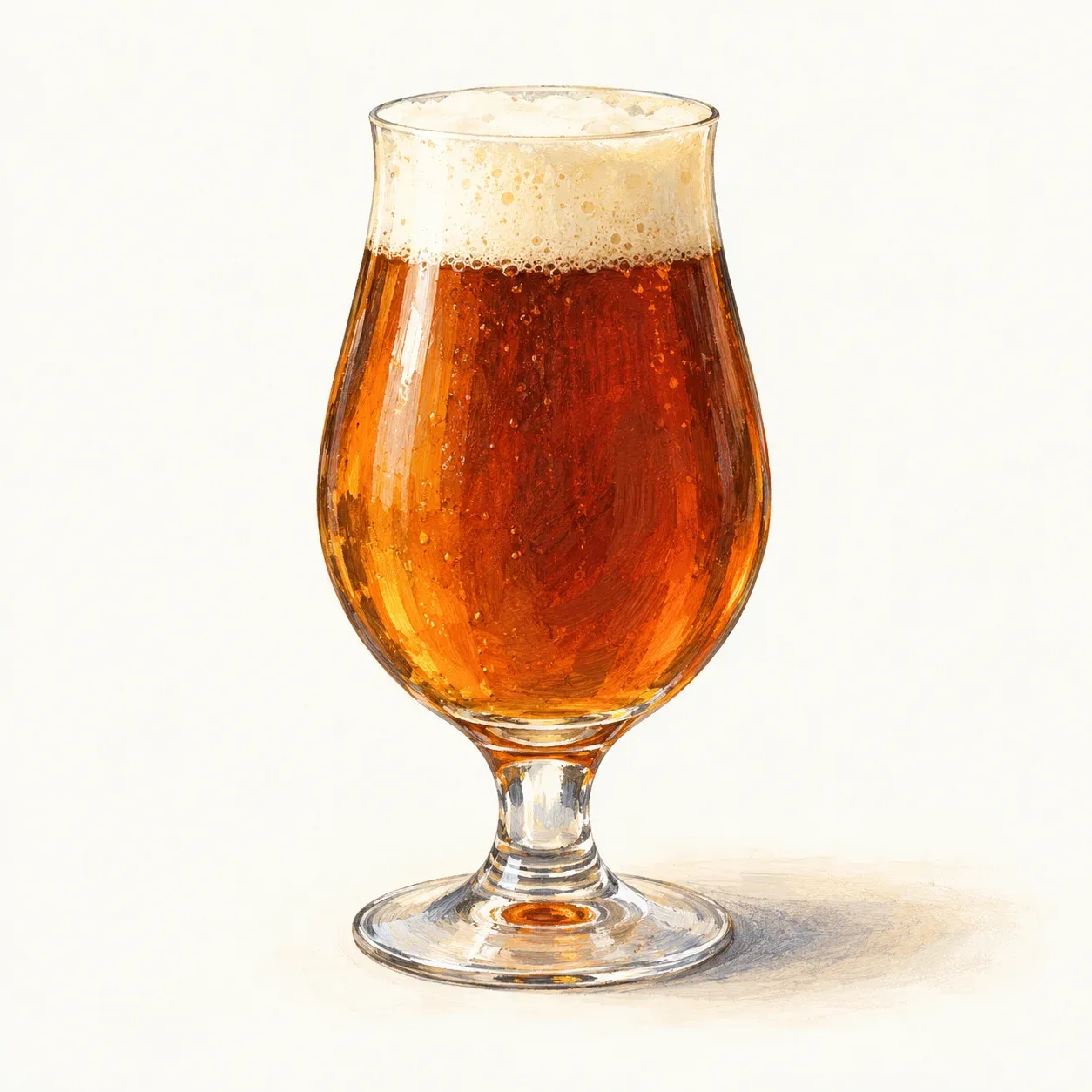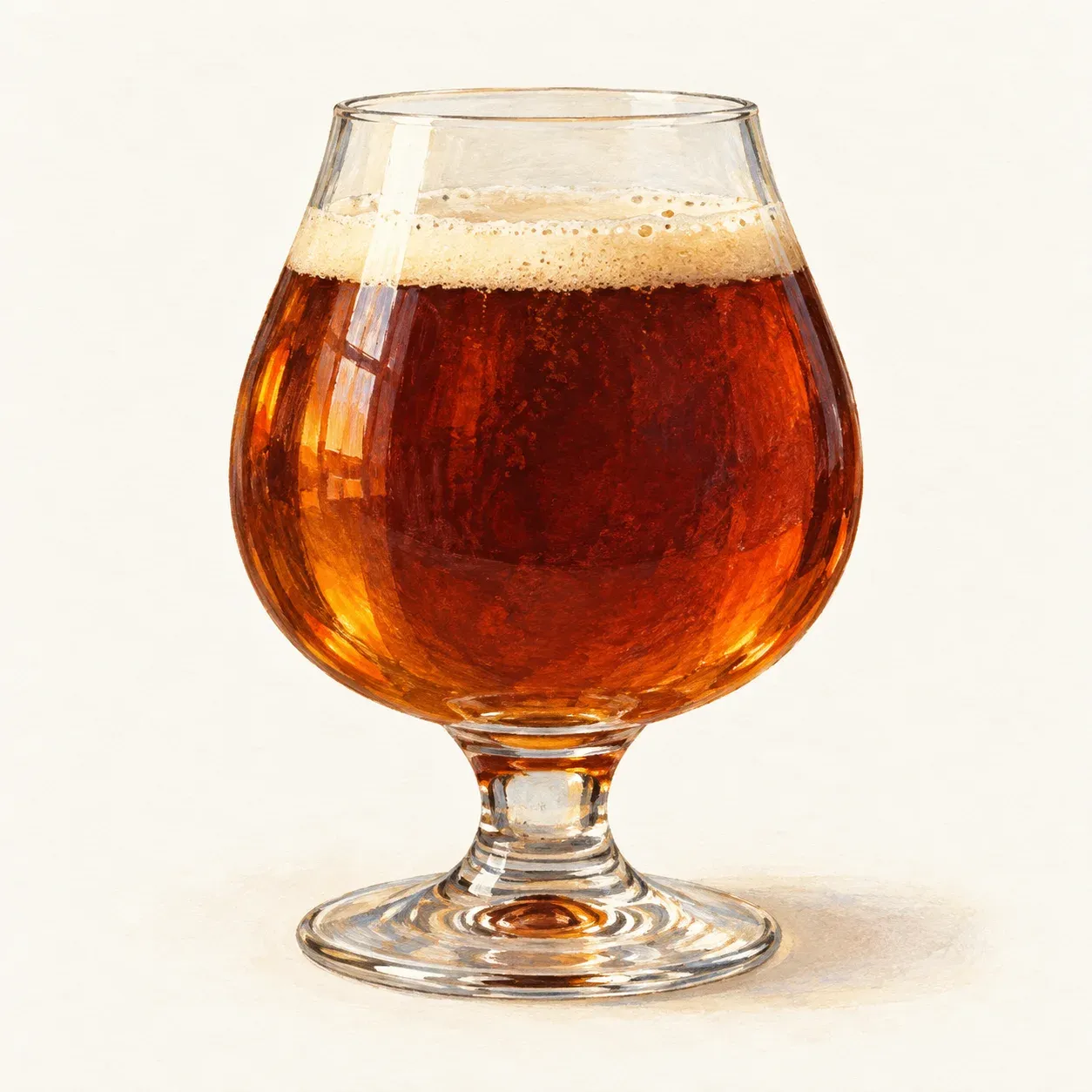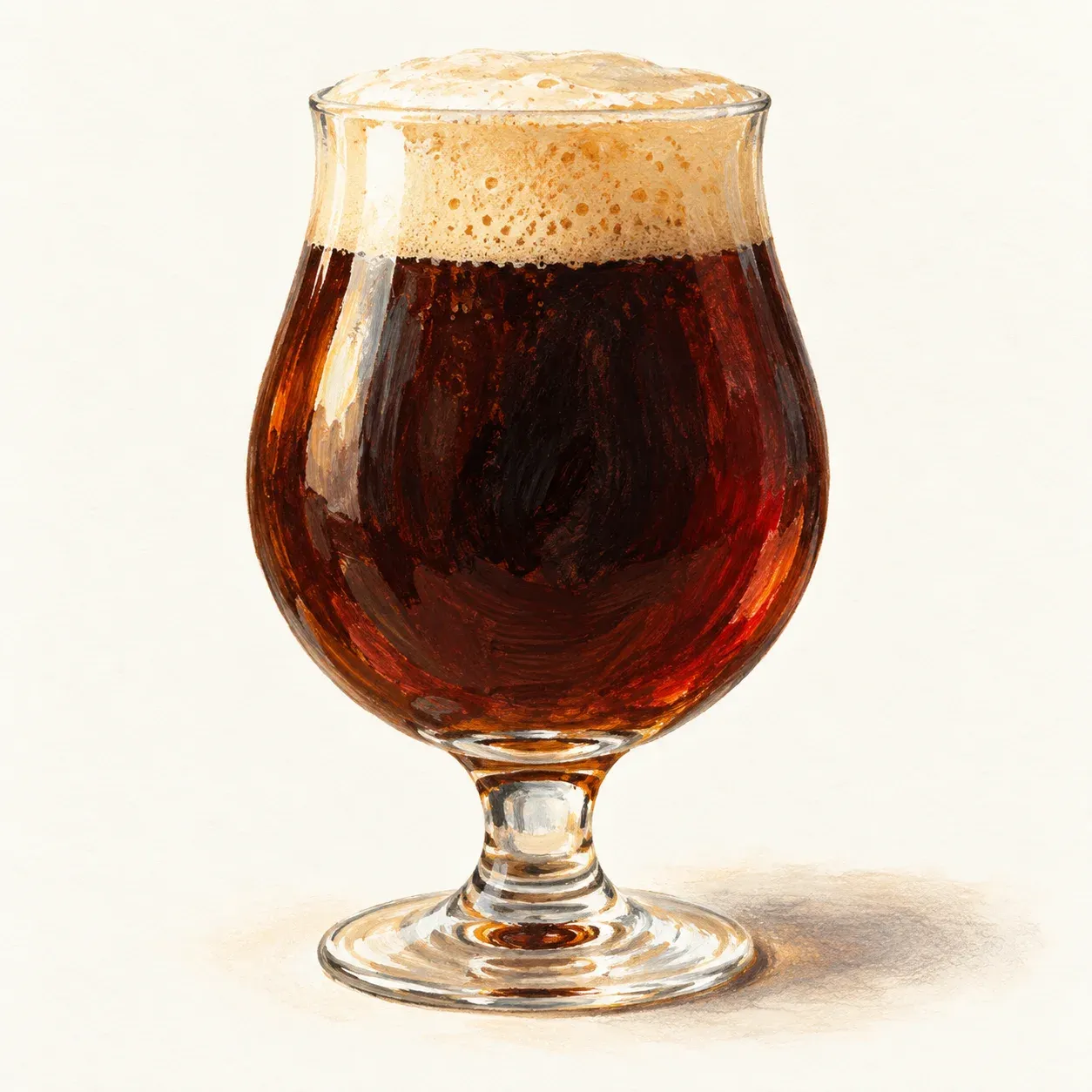
A doppelbock fills the glass with malt. Most pour copper to dark brown with ruby highlights; you taste bread crust, toffee and dark fruit, sweet at first and then drier as it finishes. The bitterness stays low, just enough to keep the sweetness in check. Pale versions, deep gold to light amber, swap the dark fruit for bread and toast and finish a little drier and hoppier.
Where it comes from
The monks of St. Francis of Paula in Munich brewed it by the 1700s. They called it liquid bread and drank it through the Lenten fast. In the 19th century a court ruled that no one but Paulaner could call a beer Salvator. Other breweries answered with names ending in -ator: Ayinger Celebrator, Spaten Optimator, Tröegs Troegenator.
Doppelbock means double bock. The old monastic beers tasted sweeter and held less alcohol than today’s, because they fermented less completely. Brewers build the style on Pils, Vienna and Munich malts, with a decoction mash that brings out caramel and toasty flavours.
How to serve it
Pour it at 7–10 °C into a tulip glass. It stands up to pork or ham, strong cheeses and a German chocolate cake.
Next to its neighbours
A doppelbock is a stronger, richer, fuller version of a dunkles bock or a helles bock. Next to a Märzen it carries far more malt and alcohol, at 7–10% against 5.6–6.3%.
Doppelbock in numbers
- Classic example
- Paulaner
- Original gravity
- 1.072–1.112
- Final gravity
- 1.016–1.024
- Food
- Pork or ham; strong cheeses; German chocolate cake
- Classic examples
- Paulaner Salvator; Ayinger Celebrator; Andechs Doppelbock Dunkel; Weihenstephaner Korbinian; Spaten Optimator; Tröegs Troegenator
- BJCP style
- 9A Doppelbock
Sources
Checked .
- 9A. Doppelbock, 2021 Beer Style Guidelines — Beer Judge Certification Program
- German-Style Doppelbock — CraftBeer.com, Brewers Association