Weizenbock
Weizenbock: a wheat beer brewed to bock or doppelbock strength, rich, malty and fruity, created with Schneider's Aventinus in 1907. Strength, glass and classic examples.
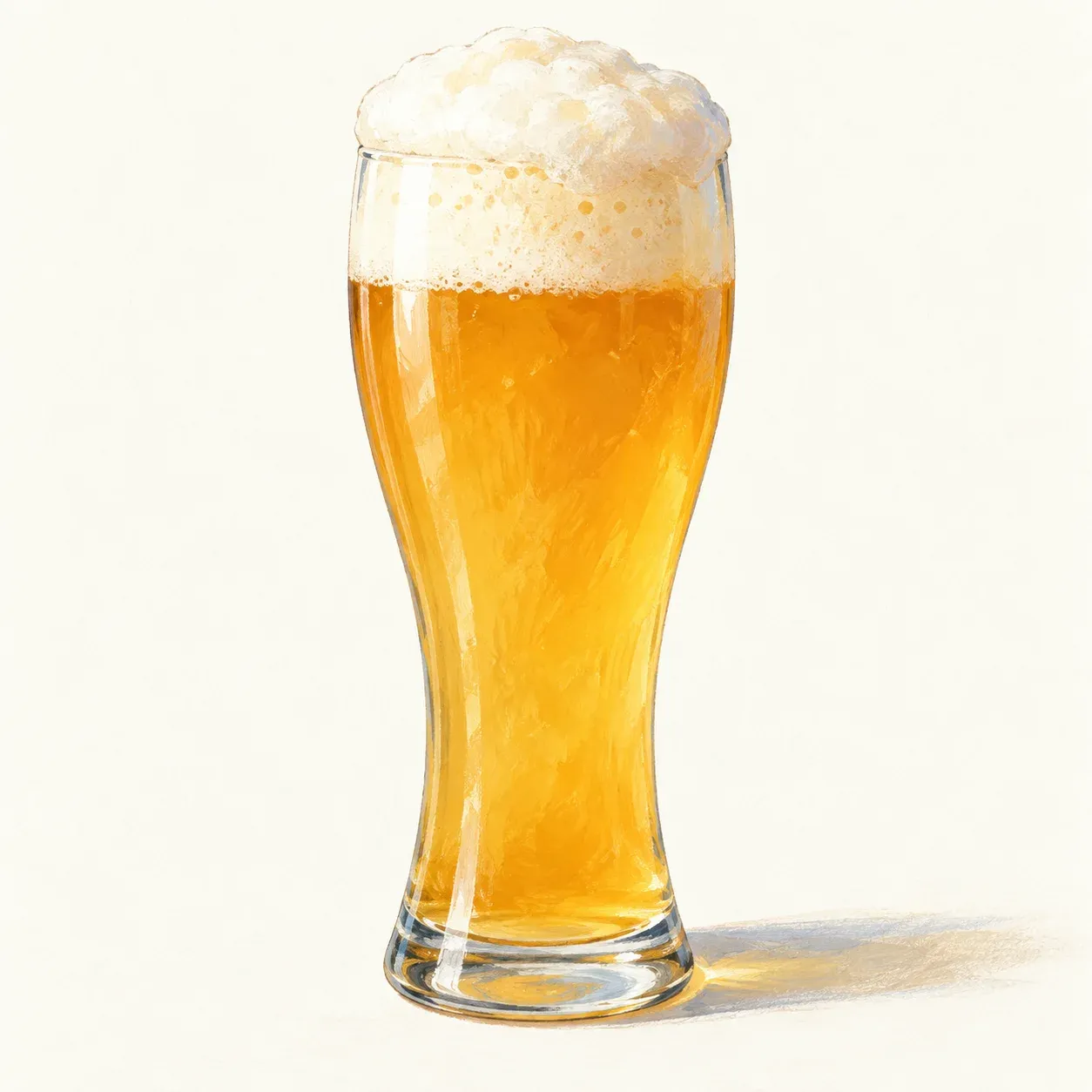
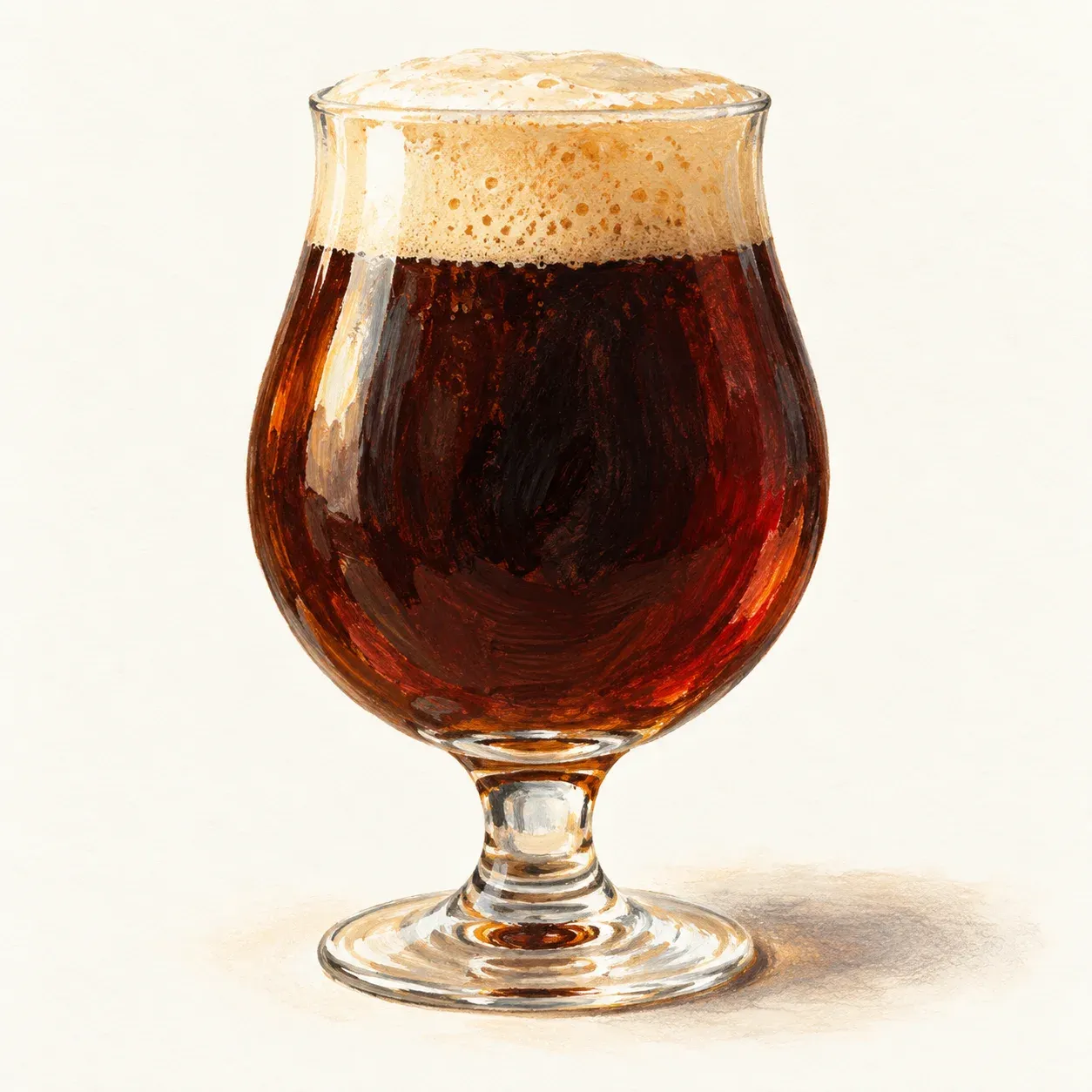
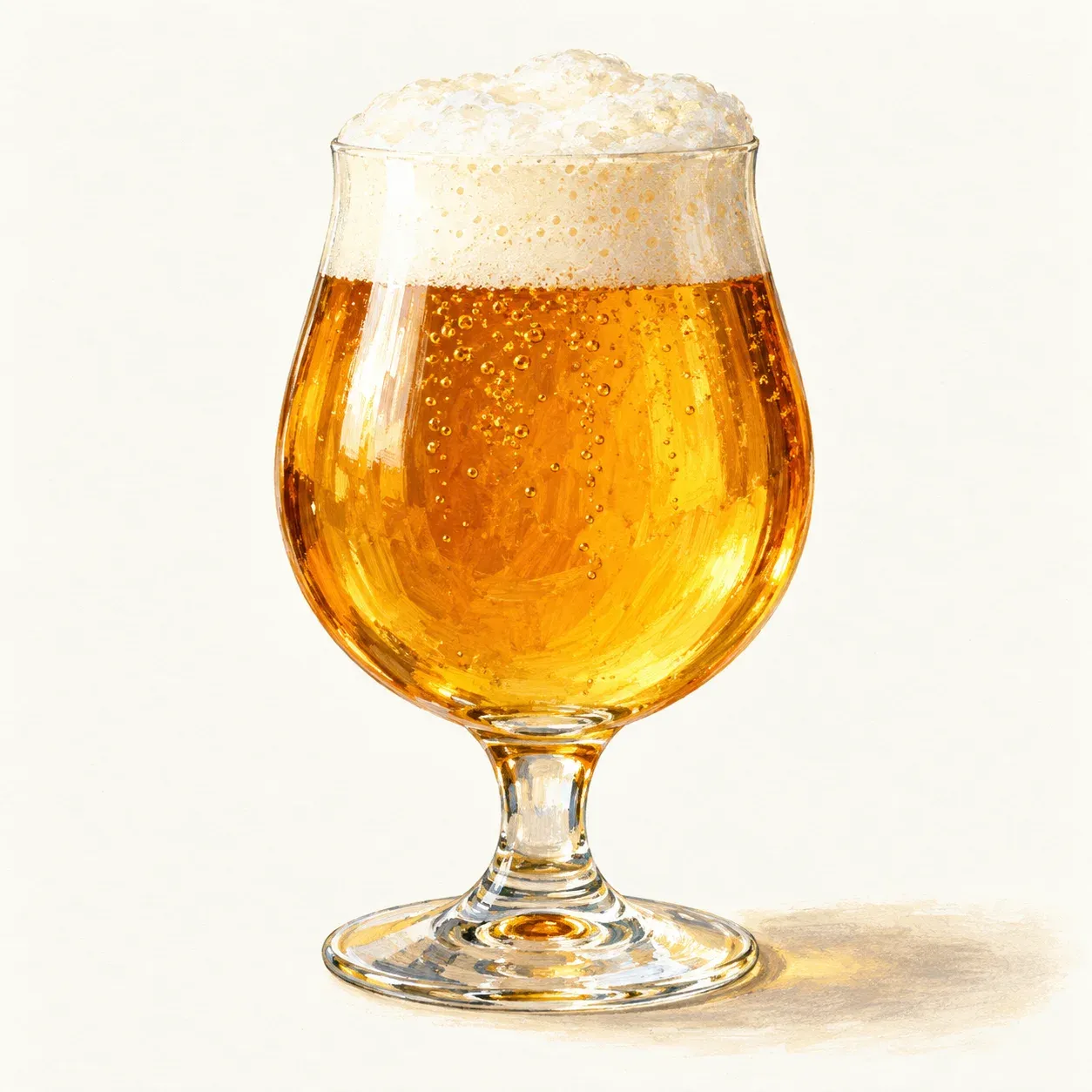
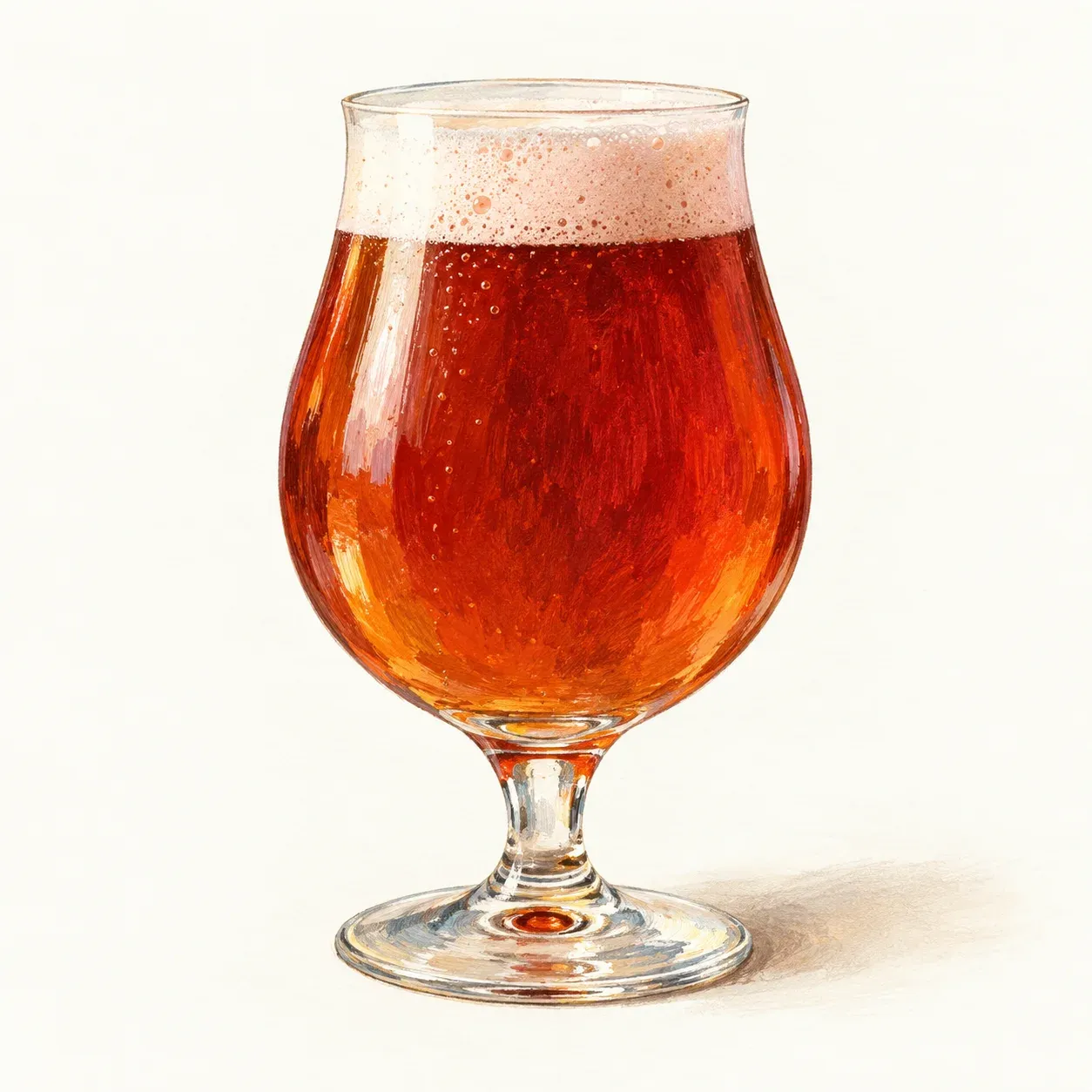
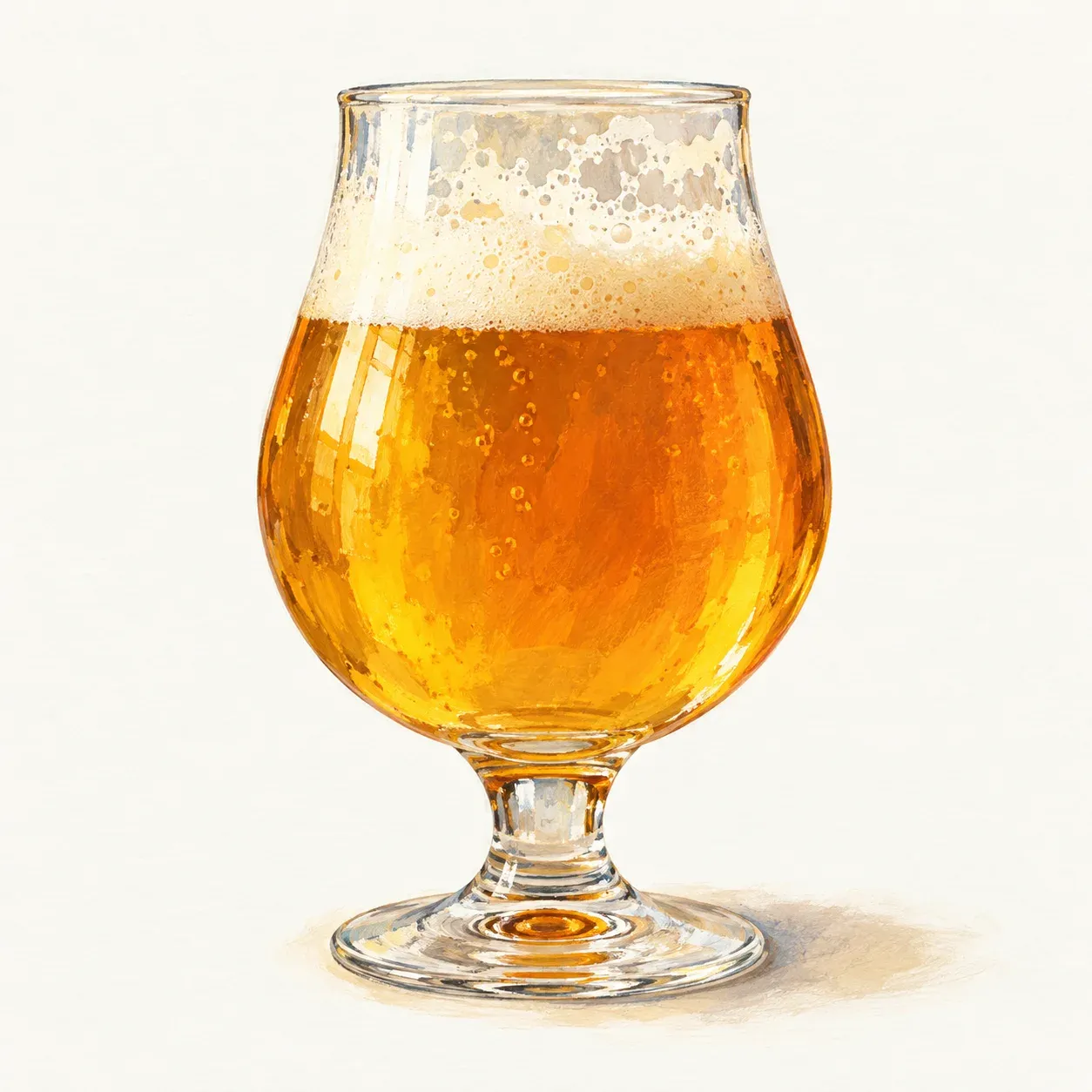
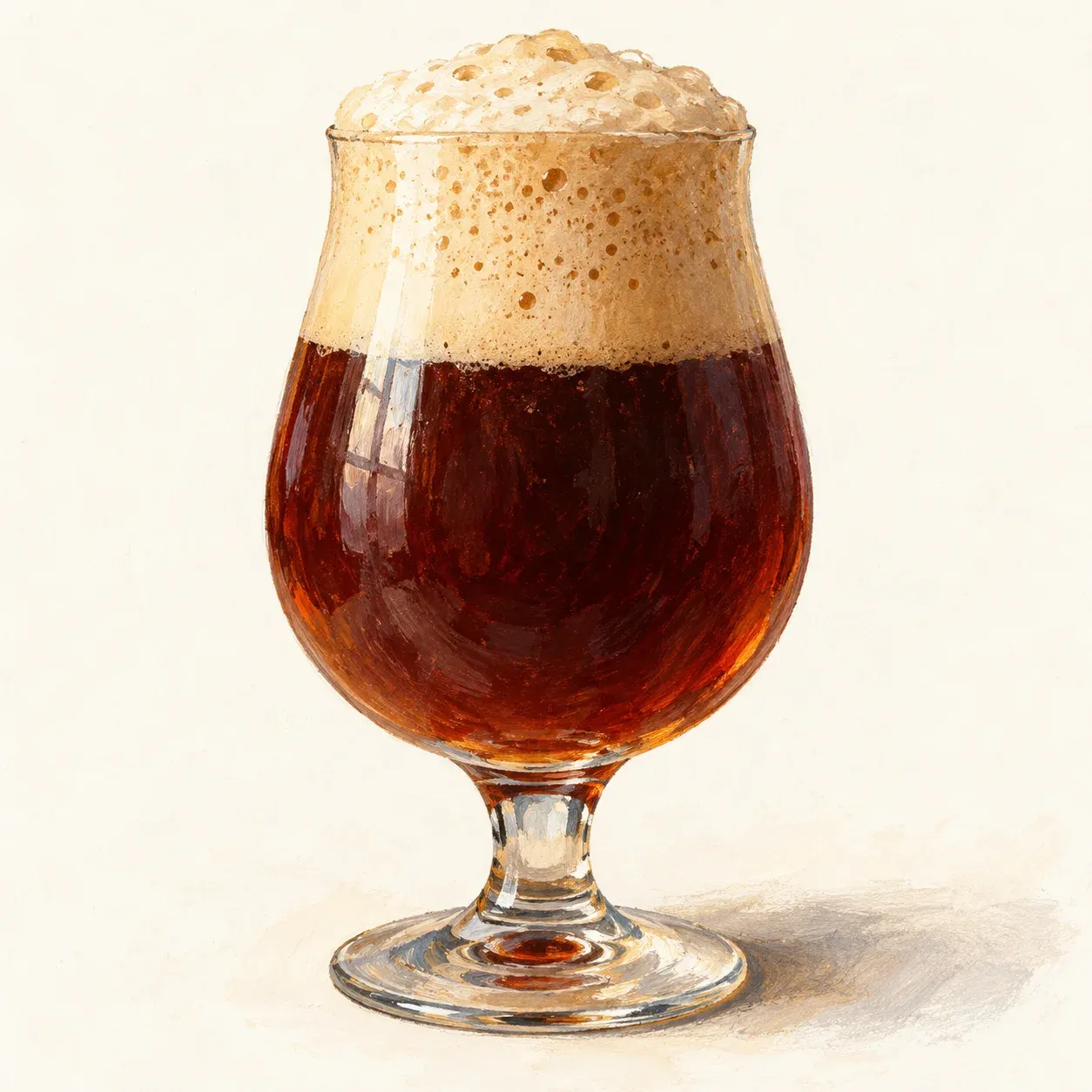
A Weizenbock pours under a very thick, moussy head, hazy from the wheat and yeast. Dark versions, the most common, run dark amber to ruby brown; pale ones gold to amber. It tastes of rich, bready wheat malt with banana and clove from the yeast, little bitterness and no hop flavour, and usually finishes dry despite its 6.5–9% alcohol. Age can bring sherry-like notes.
Where it comes from
It is a Weissbier brewed to bock strength. The first, Aventinus, a dark wheat beer of doppelbock strength, was created at the Schneider brewery in Munich in 1907. Pale versions, such as Weihenstephan’s Vitus, are much more recent; Erdinger brews a dark one, Pikantus.
Brewers use malted wheat for at least half the grist, with Munich, Vienna or Pilsner malt, a weizen yeast and cool fermentation; a decoction mash is traditional.
How to serve it
Pour it at 7–13 °C into a tulip glass. It goes with chicken and dumplings, a Manchego or banana bread.
Next to its neighbours
It is stronger and richer than a Weissbier, with the same yeast character, and compares best with a doppelbock: pale and dark, and from bock to doppelbock strength.
Weizenbock in numbers
- Classic examples
- Schneider Weisse, Brauerei Aying (Ayinger), Weihenstephan, Erdinger Weißbräu
- Original gravity
- 1.064–1.090
- Final gravity
- 1.015–1.022
- Food
- Chicken and dumplings; Manchego; banana bread
- Classic examples
- Schneider Weisse Aventinus; Weihenstephaner Vitus; Ayinger Weizenbock; Plank Bavarian Dunkler Weizenbock; Distelhäuser Weizen Bock
- BJCP style
- 10C Weizenbock
Sources
Checked .
- 10C. Weizenbock, 2021 Beer Style Guidelines — Beer Judge Certification Program
- German-Style Weizenbock — CraftBeer.com, Brewers Association