Belgian Single
Belgian single: the pale, bitter, very dry table beer of the Trappist monks, now sold as Westmalle Extra and Chimay Gold. Strength, bitterness and classic examples.
- Family
- Ale
- Origin
- Belgium, Netherlands
- Colour
- Pale
- Strength
- 4.8–6% ABV
- Bitterness
- 25–45 IBU
- Colour scale
- 3–5 SRM (6–10 EBC)
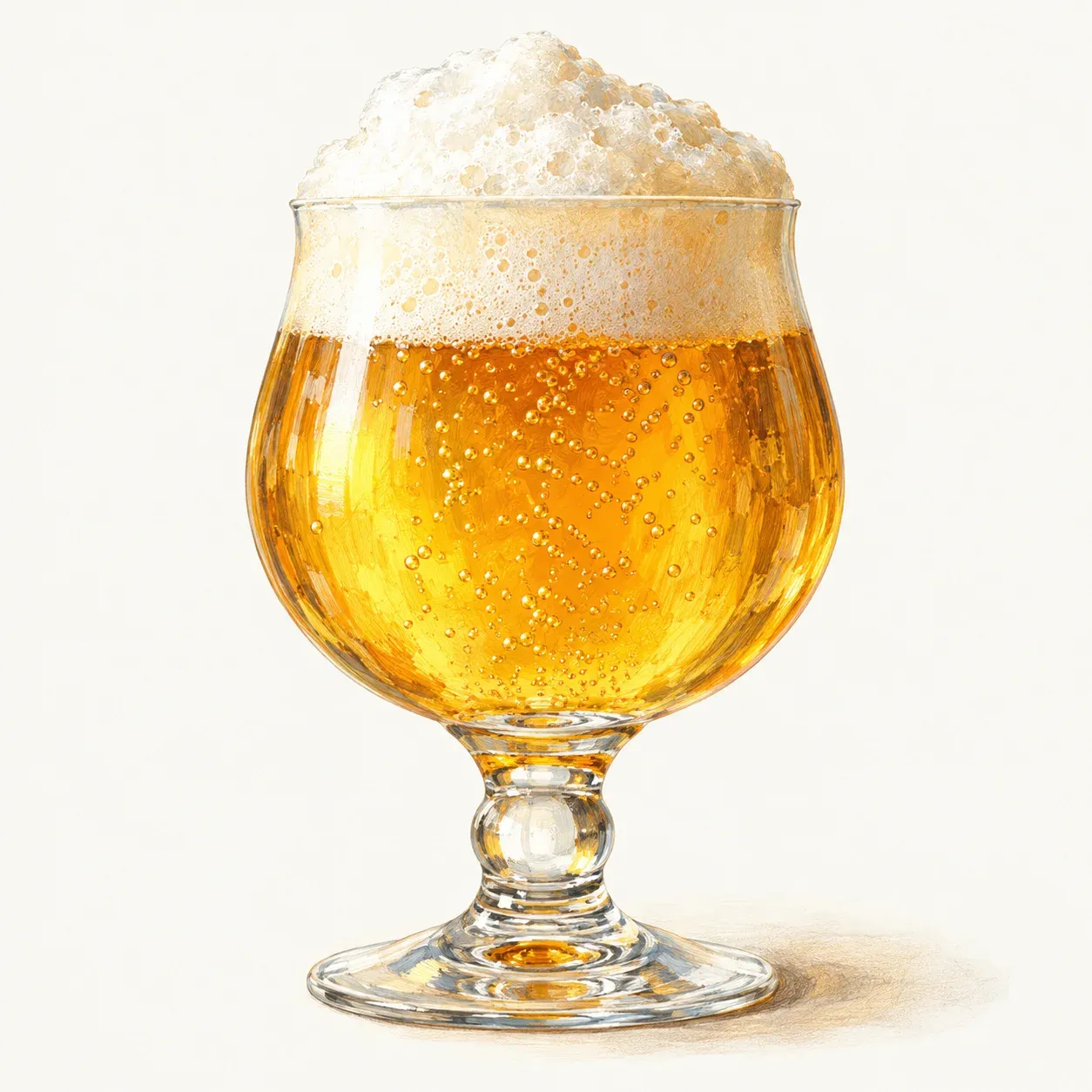
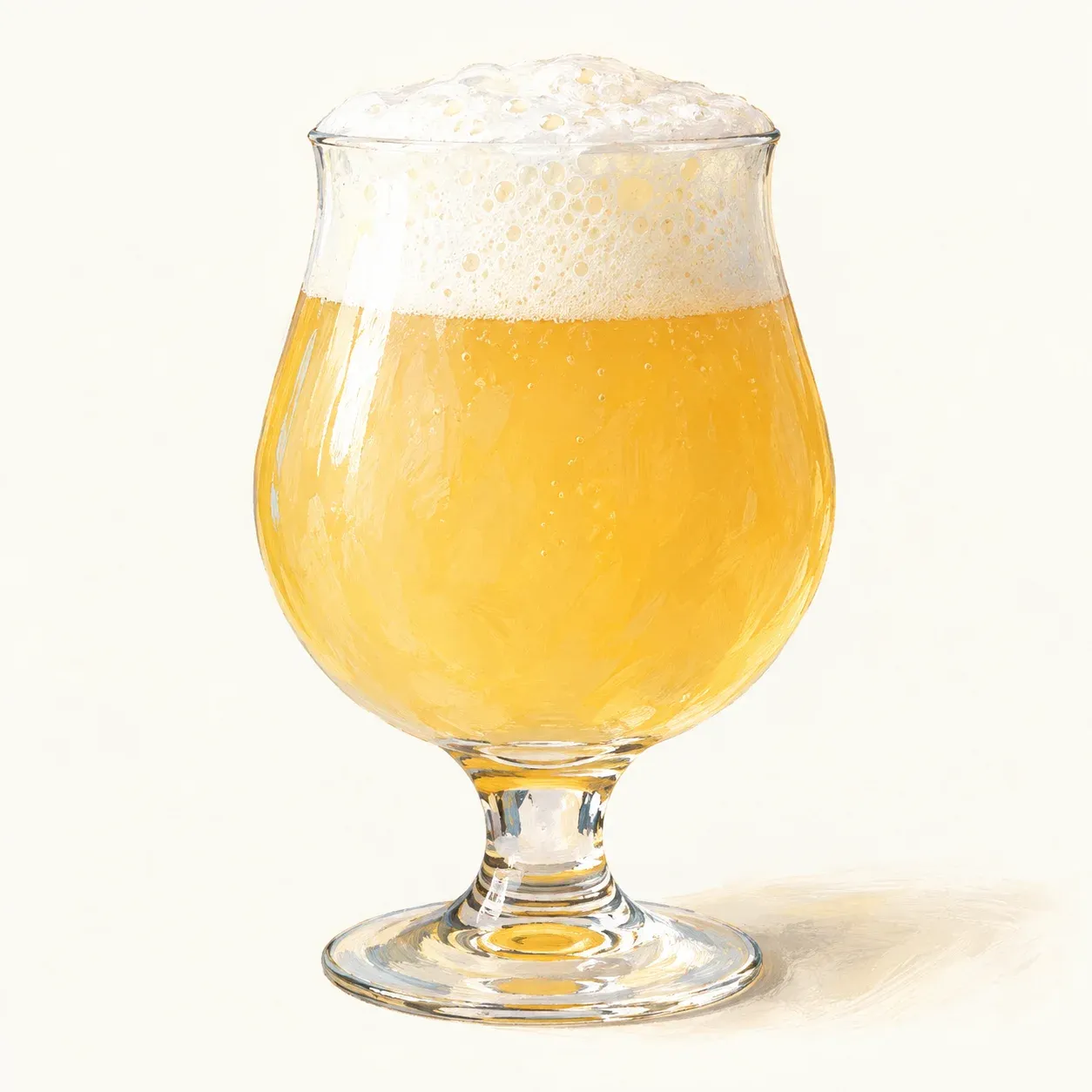
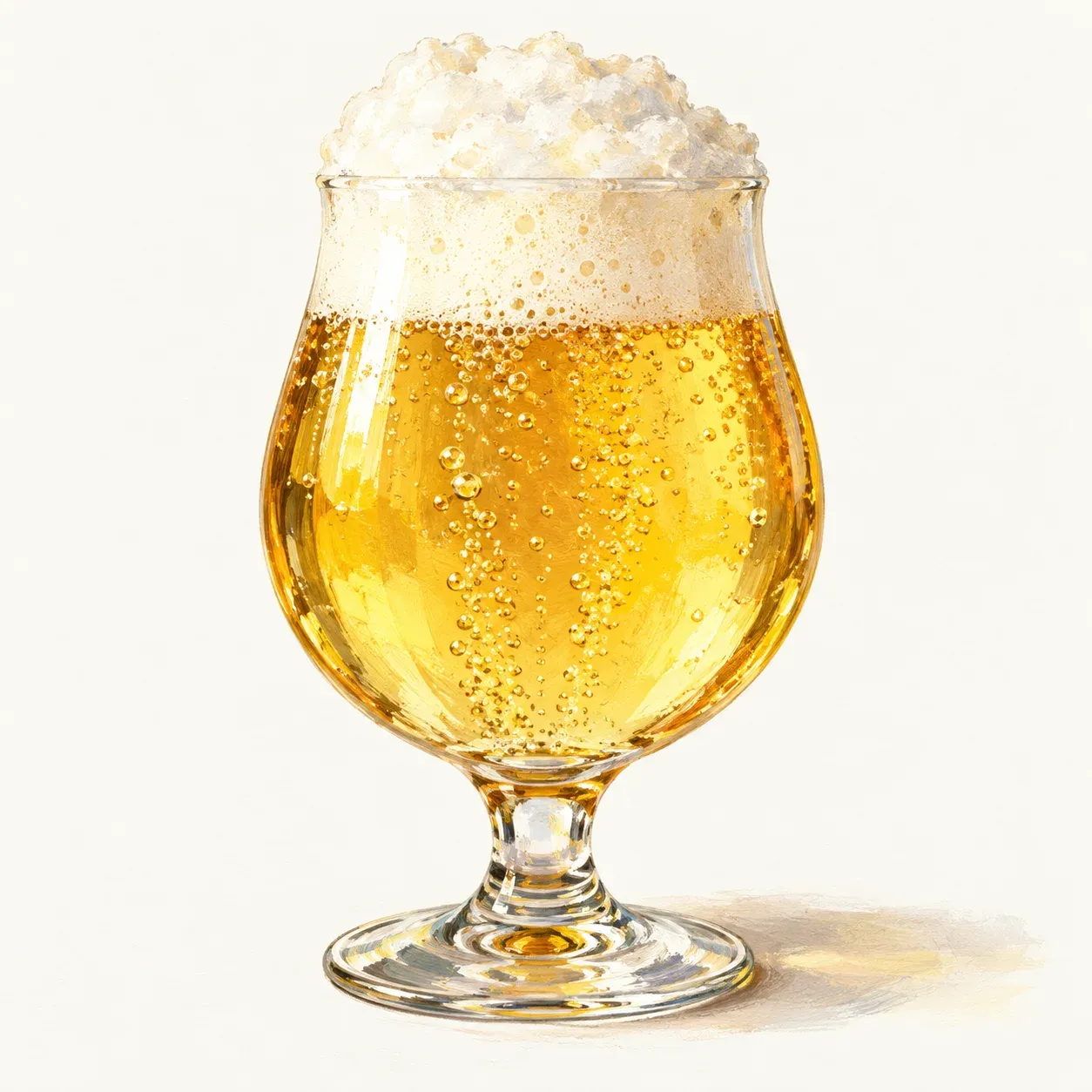
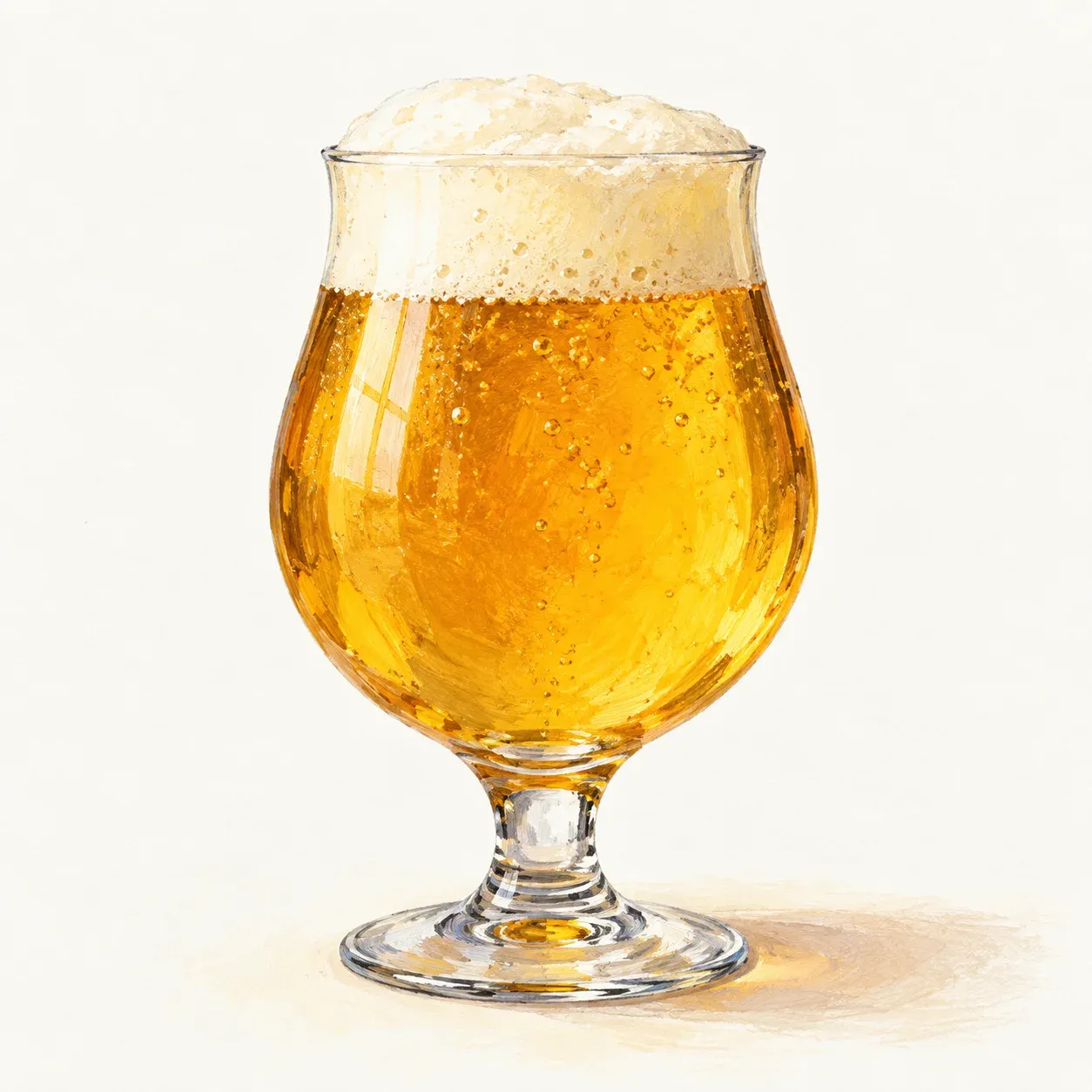
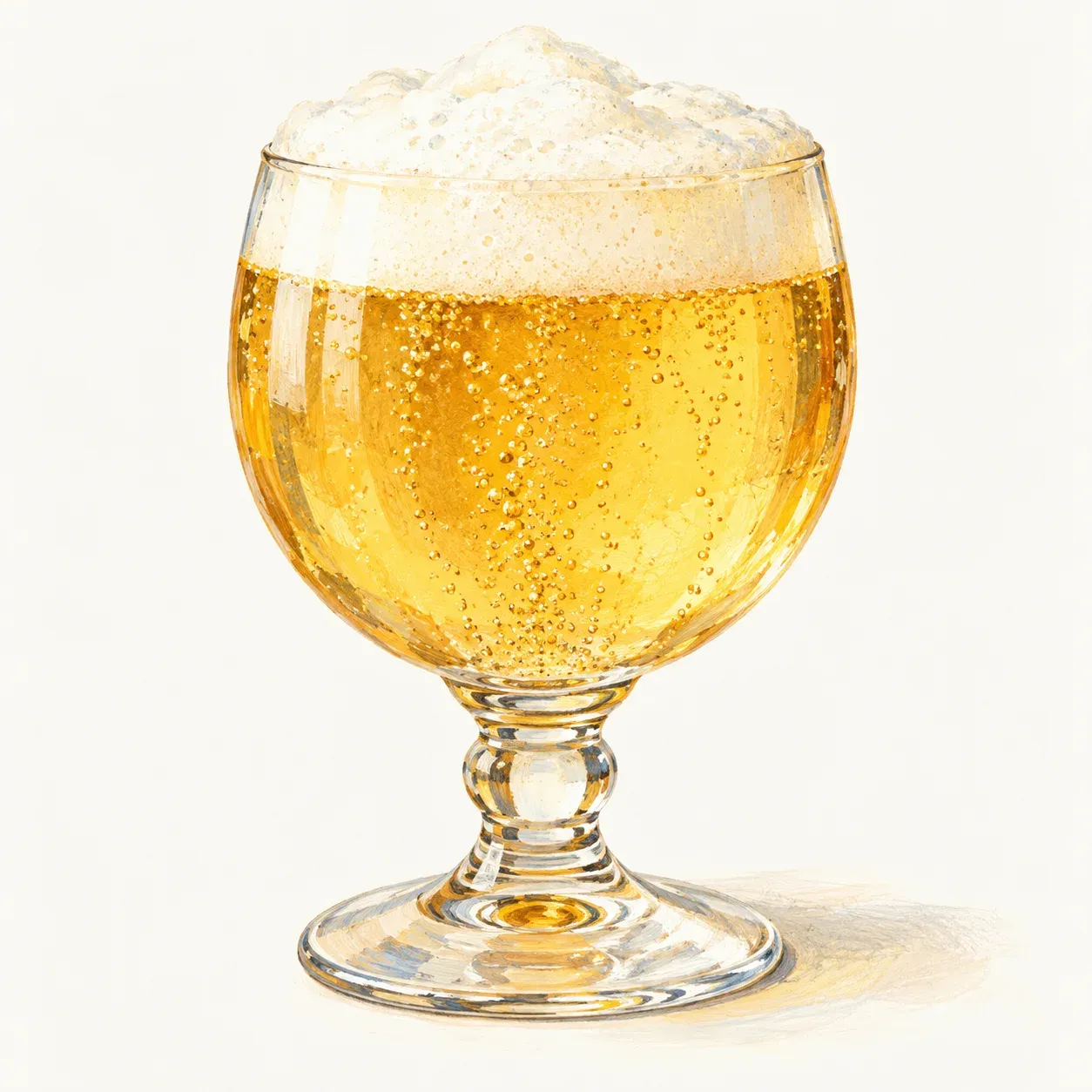
A Belgian single pours pale yellow to gold, clear, under a billowy white head that leaves lace on the glass. It is a table beer, 4.8–6% alcohol, and it drinks bone dry: a light, biscuity malt, a spicy or floral hop, a fruity and peppery Belgian yeast, and a high bitterness that runs into the aftertaste. The fizz is lively, almost prickly.
Where it comes from
Monastic breweries have long brewed a weaker beer for the monks’ own table; Westmalle began brewing its in 1922. The pale, bitter single the BJCP describes is a more modern beer, and Westvleteren first brewed its blond in 1999. Many are still rarely sold outside the monastery. Today Chimay sells Chimay Gold, Westmalle its Extra, and the Dutch Trappists of La Trappe their Puur.
Brewers use Pilsner malt, continental hops and a Belgian yeast, and ferment it very dry.
Next to its neighbours
Think of a top-fermented Belgian take on a German pils: pale, hoppy and dry, with a strong yeast character. It is closer to a small tripel than to a Belgian blond ale, which is sweeter and less bitter.
Belgian Single in numbers
- Classic examples
- Westmalle, Chimay, Westvleteren, St. Bernardus, La Trappe (Koningshoeven)
- Original gravity
- 1.044–1.054
- Final gravity
- 1.004–1.010
- Also called
- monk's beer, brother's beer
- Classic examples
- Westmalle Extra; Chimay Gold; Westvleteren Blond; St. Bernardus Extra 4; La Trappe Puur; Russian River Redemption
- BJCP style
- 26A Belgian Single
Sources
Checked .
- 26A. Belgian Single, 2021 Beer Style Guidelines — Beer Judge Certification Program