Old Ale
Old ale: a stronger, malty English ale with the marks of age, nutty, fruity and warming, like Theakston Old Peculier. Strength, glass and classic examples.
- Family
- Ale
- Origin
- United Kingdom
- Strength
- 5.5–9% ABV
- Bitterness
- 30–60 IBU
- Colour scale
- 10–22 SRM (20–43 EBC)
- Glass
- Snifter
- Serve at
- 10–13 °C
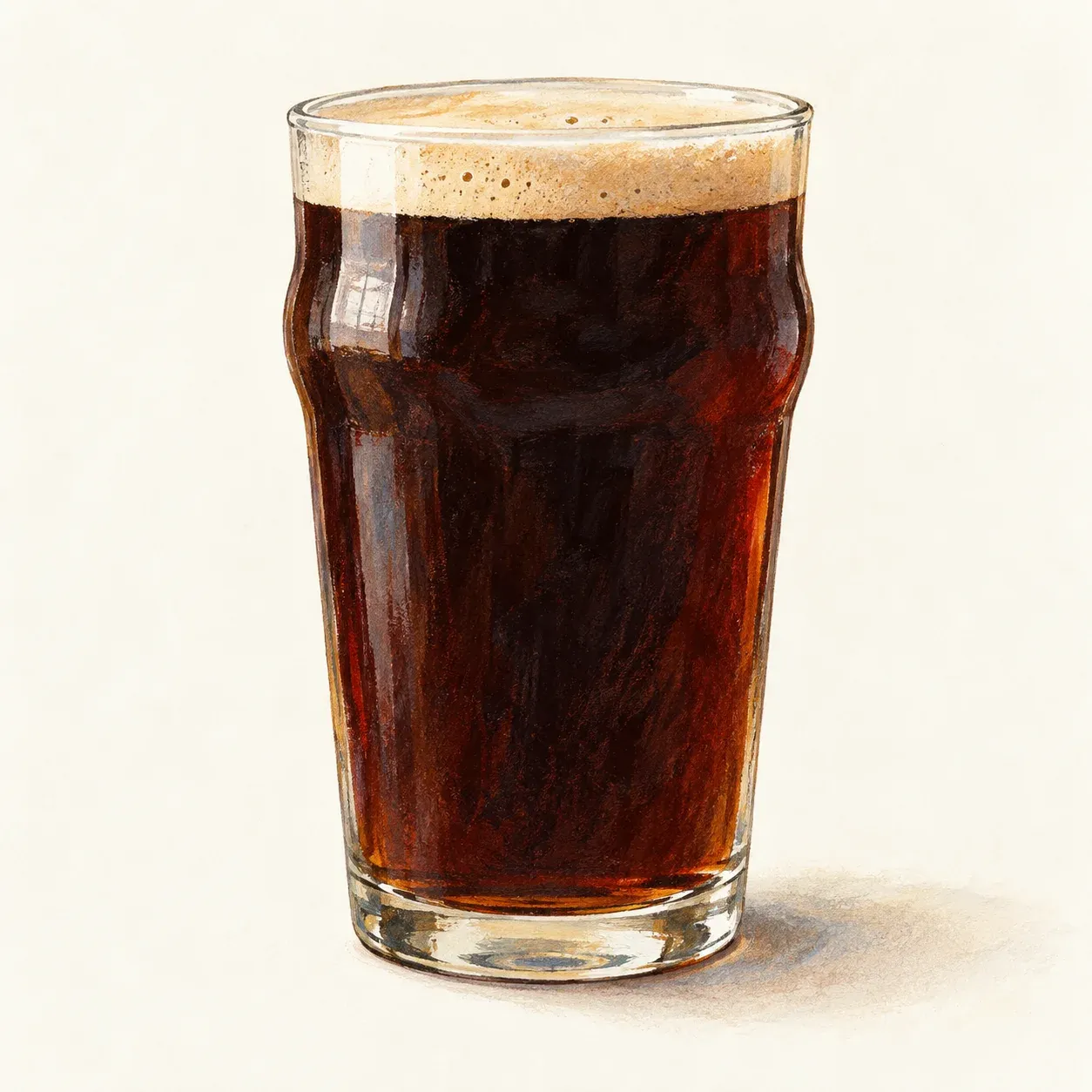
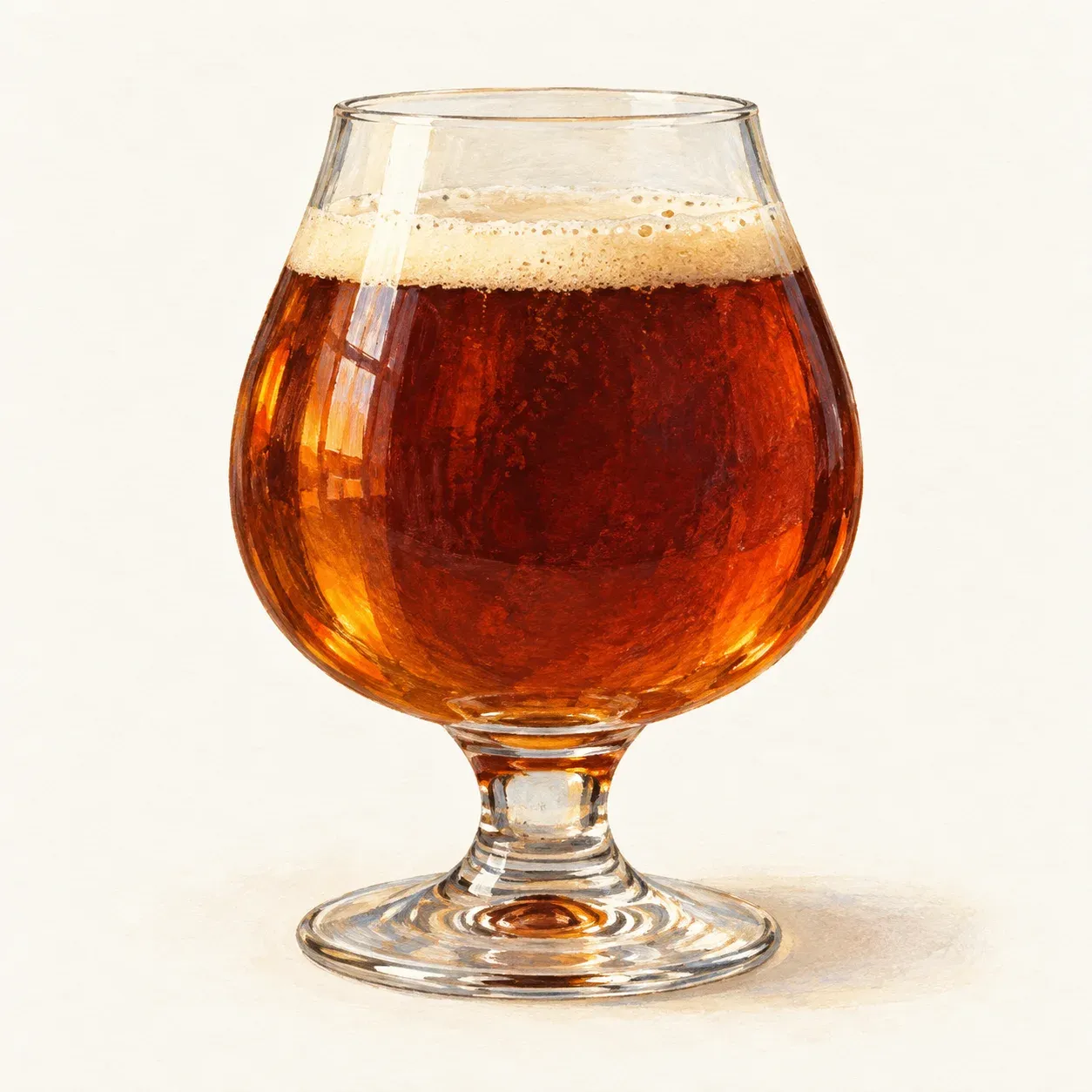
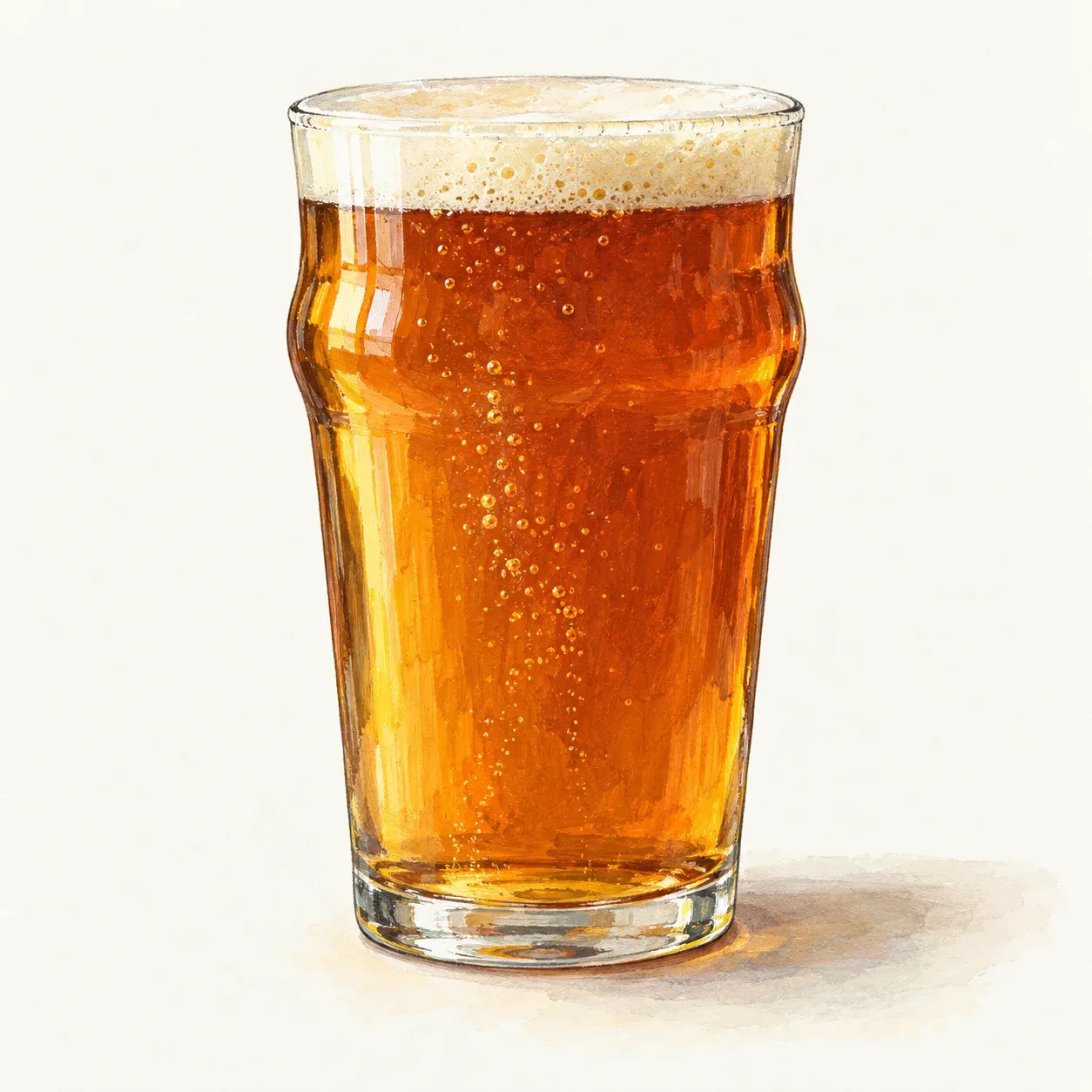
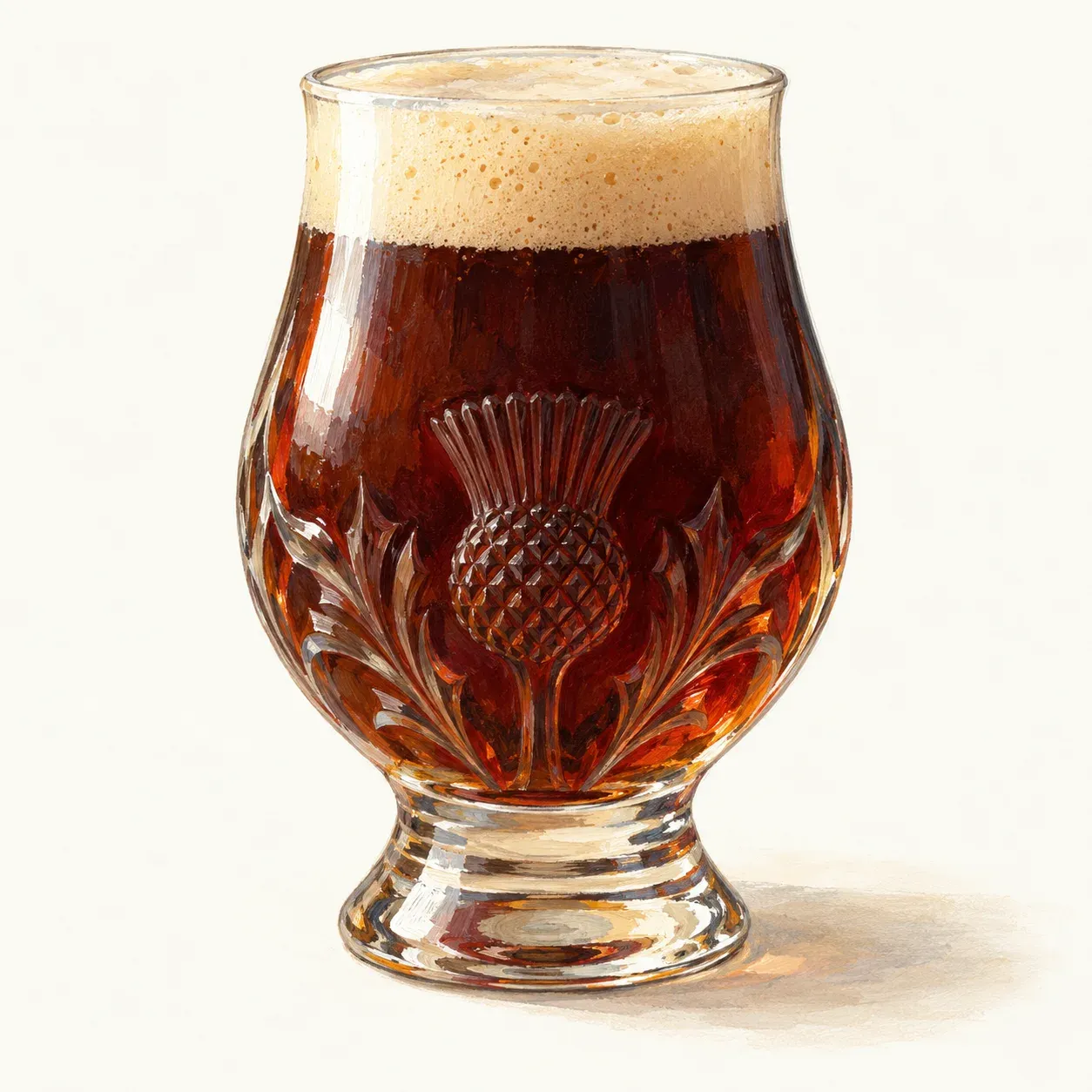
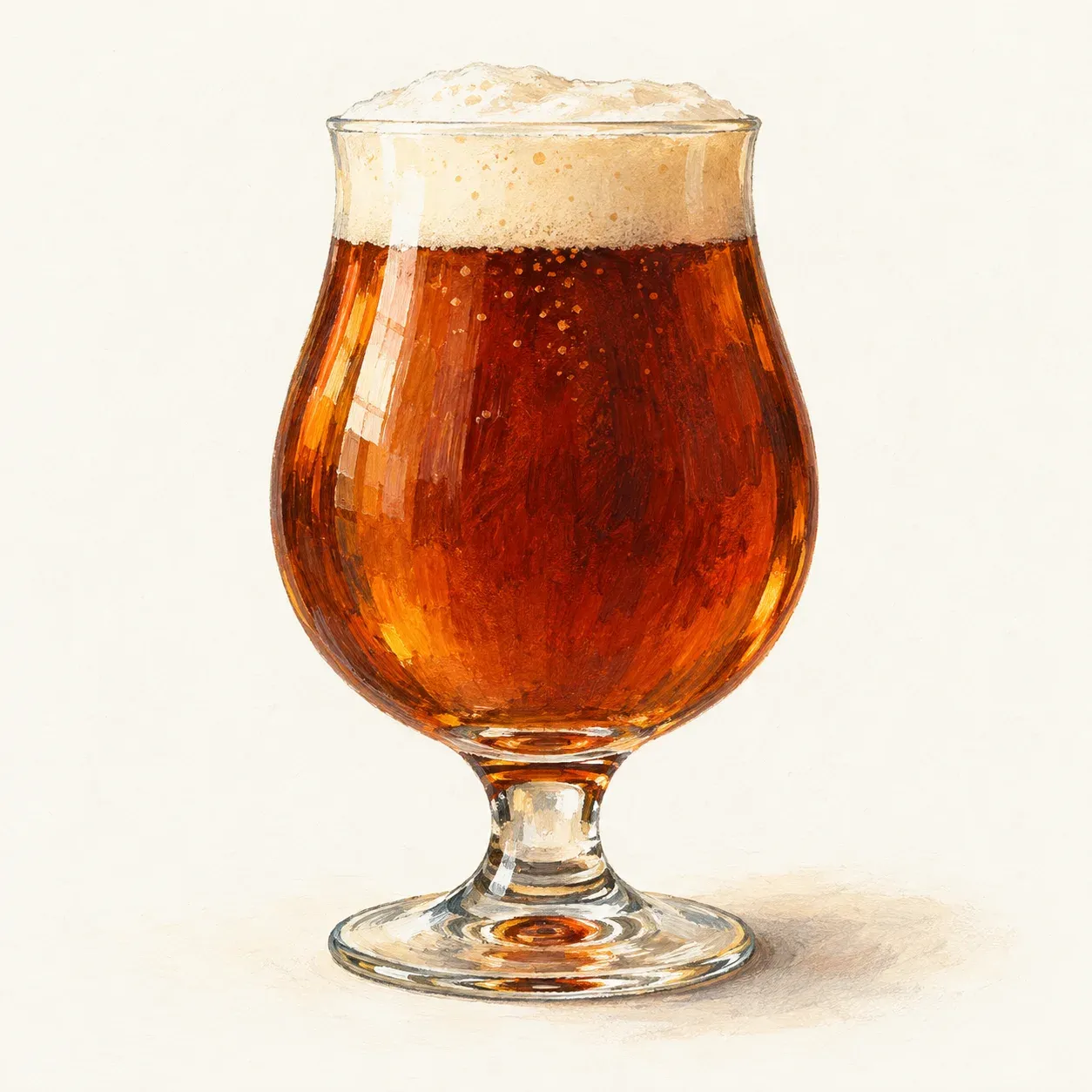
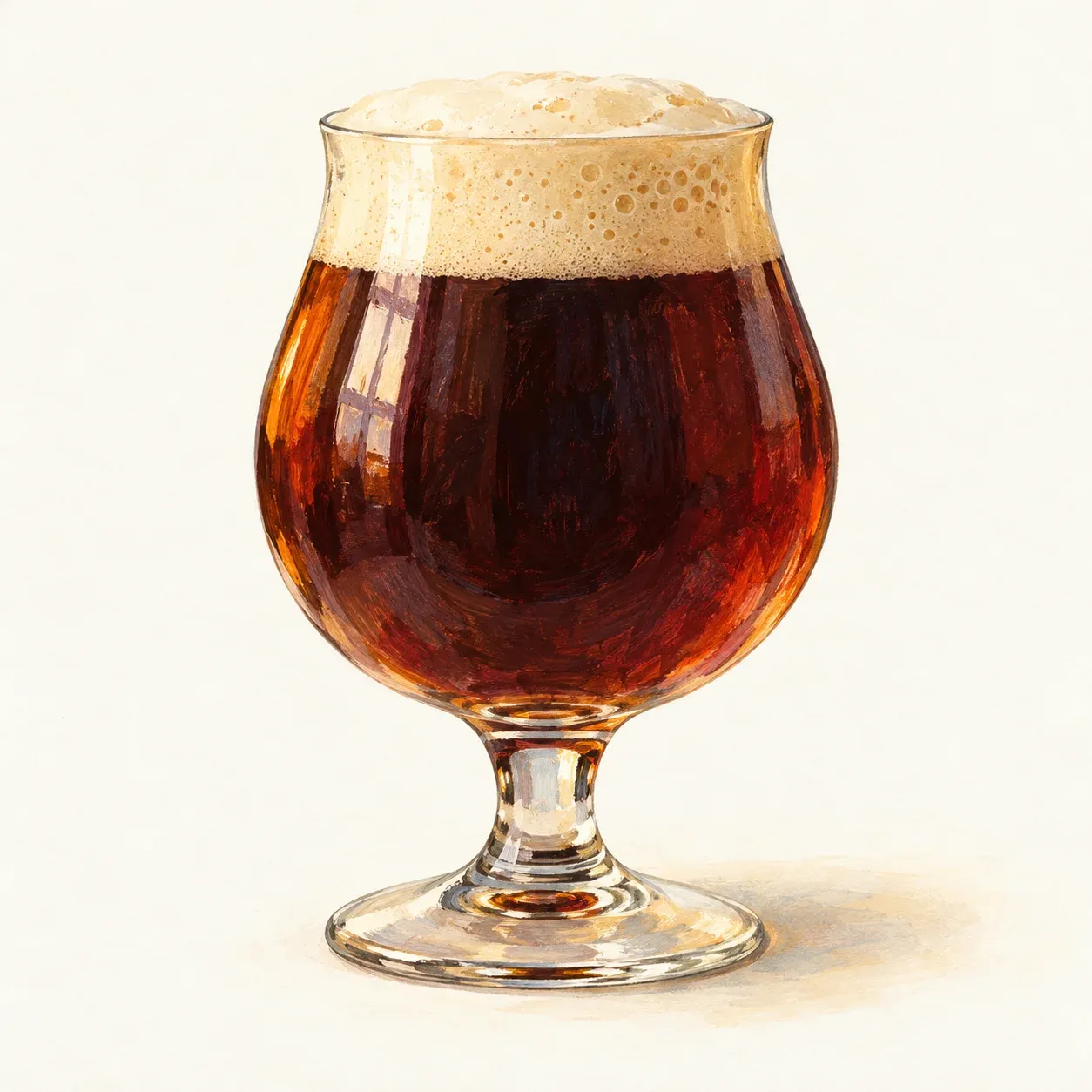
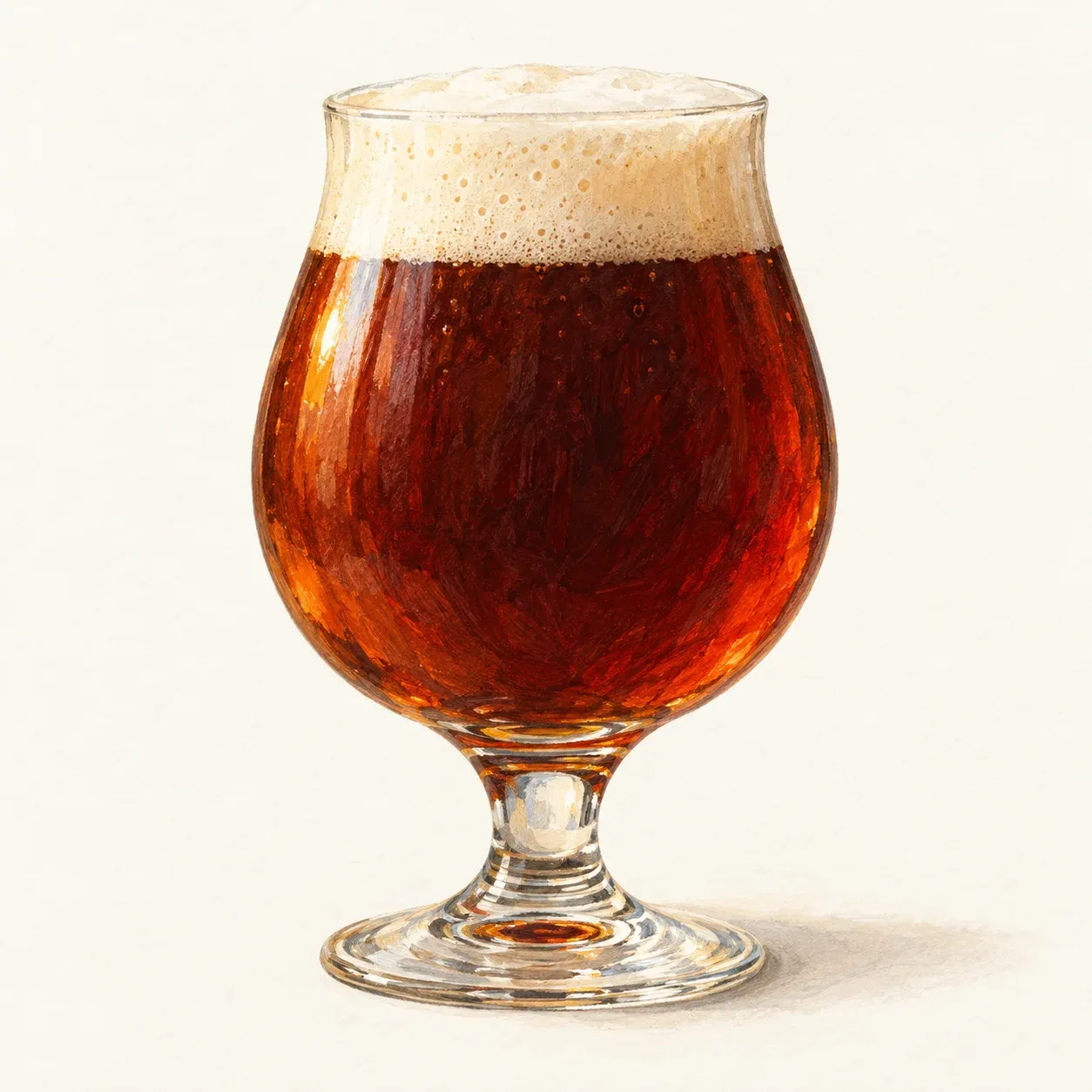
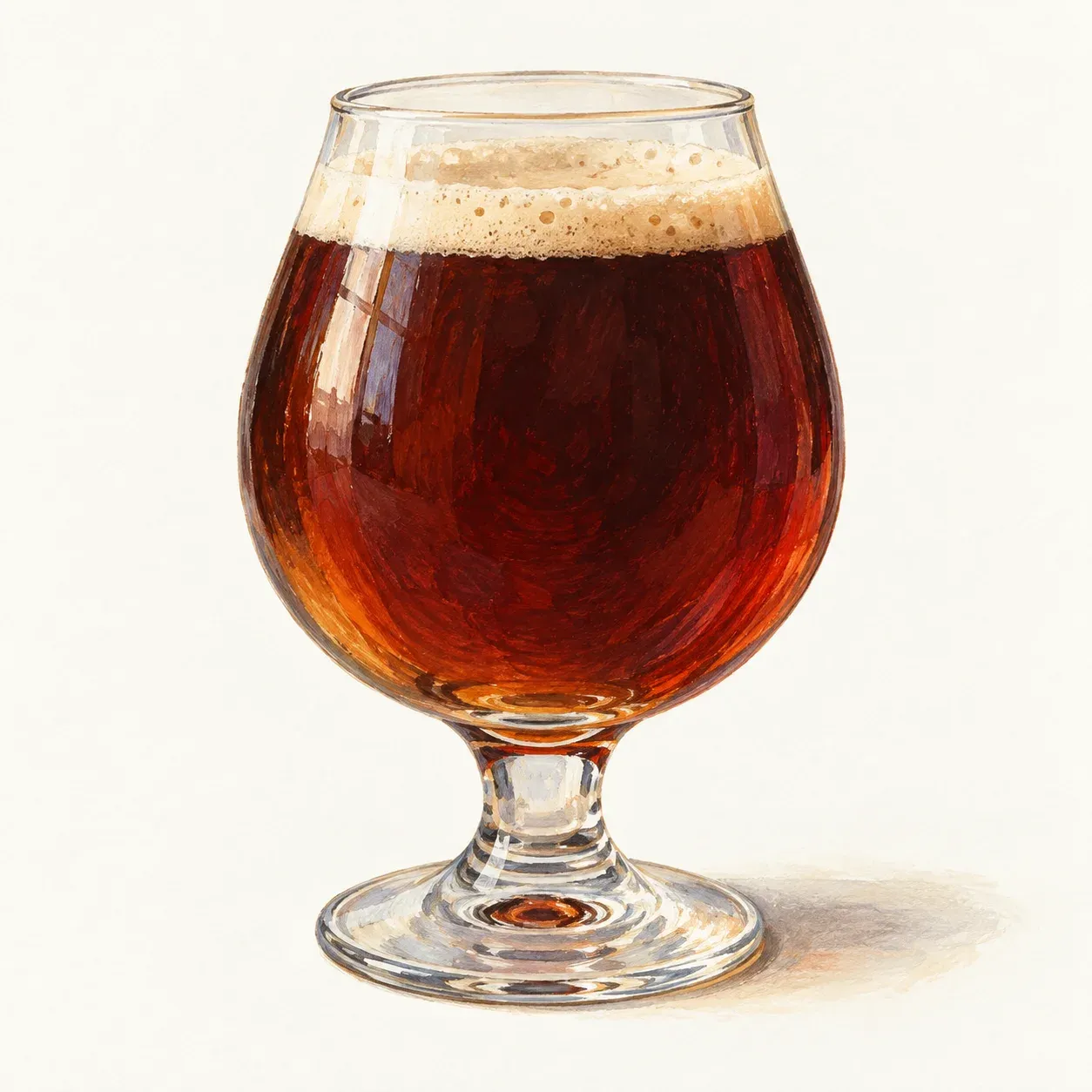
An old ale pours deep amber to very dark reddish brown, often fairly dark, under a low cream to tan head. It is malty and complex, with nut, caramel or molasses, and fruity, often dried-fruit or wine-like notes. What defines it is the impression of age: a mellow complexity, sometimes leathery or vinous. It warms, at 5.5–9%.
Where it comes from
Old ale was once stock or stale ale, beer aged for a long time and used for blending or drunk at full strength. Britain has two kinds today: weaker, unaged draught old ales of around 4.5%, close to milds, and stronger aged ones of 6–8% or more. Theakston’s Old Peculier, named after the Peculier of Masham, a parish outside its diocese’s jurisdiction, was CAMRA’s champion strong ale in 1989.
How to serve it
Pour it at 10–13 °C into a snifter. It goes with roast beef or lamb, a Double Gloucester or a spiced plum and walnut tart.
Next to its neighbours
It overlaps with British strong ale and the lower end of the English barleywine, but always tastes aged; above 7% the line between old ale and barleywine is somewhat arbitrary.
Old Ale in numbers
- Classic examples
- Theakston, Greene King, Marston's (Burton)
- Original gravity
- 1.055–1.088
- Final gravity
- 1.015–1.022
- Food
- Roast beef and lamb; Double Gloucester; spiced plum and walnut tart
- Classic examples
- Theakston Old Peculier; Gale's Prize Old Ale; Greene King Strong Suffolk Ale; Marston Owd Roger; Burton Bridge Olde Expensive
- BJCP style
- 17B Old Ale
Sources
Checked .
- 17B. Old Ale, 2021 Beer Style Guidelines — Beer Judge Certification Program
- English-Style Old Ale — CraftBeer.com, Brewers Association