Dunkles Bock
Dunkles Bock: the strong, dark, malty German lager that began in Einbeck and moved to Munich, rich but not sweet. Strength, bitterness, glass and classic examples.
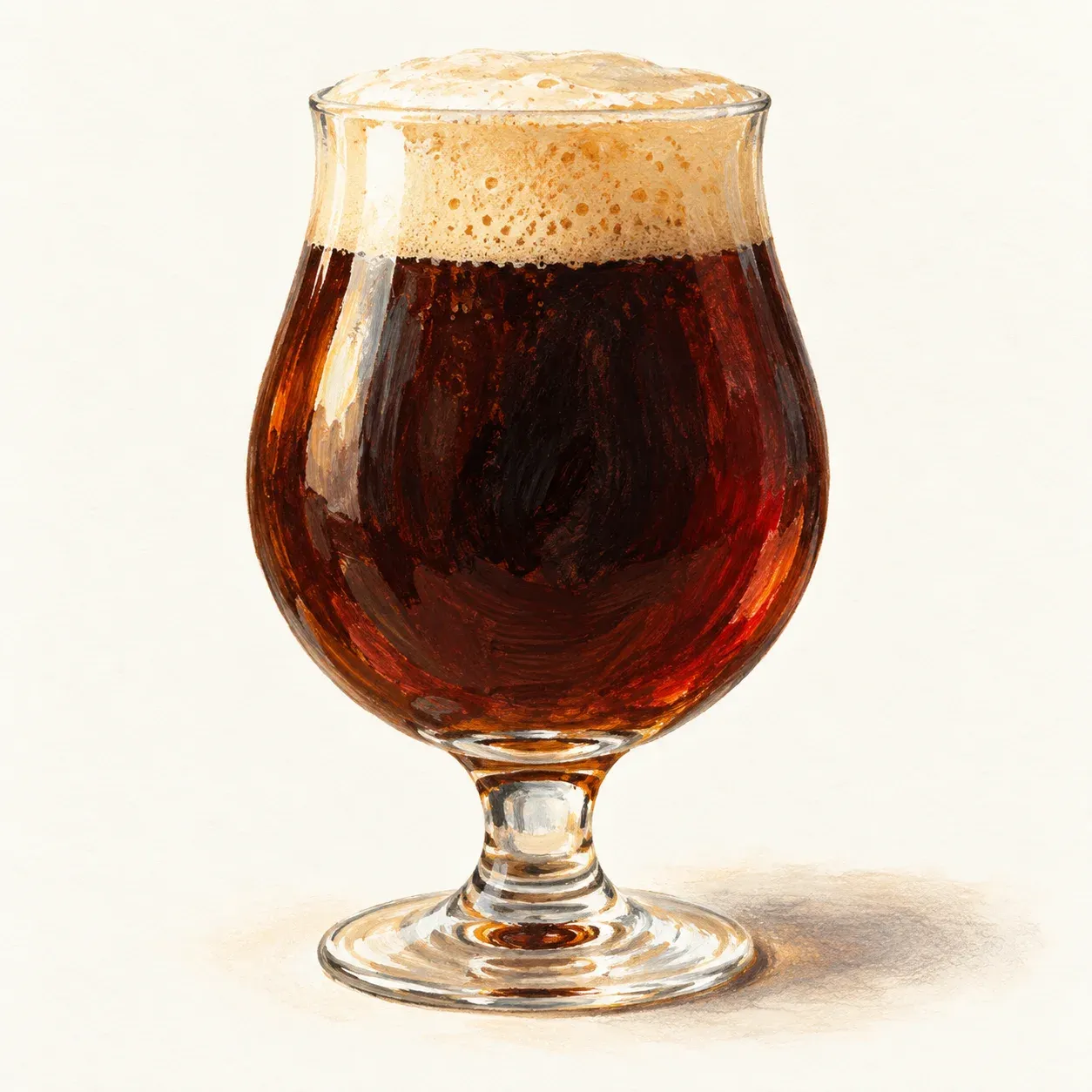
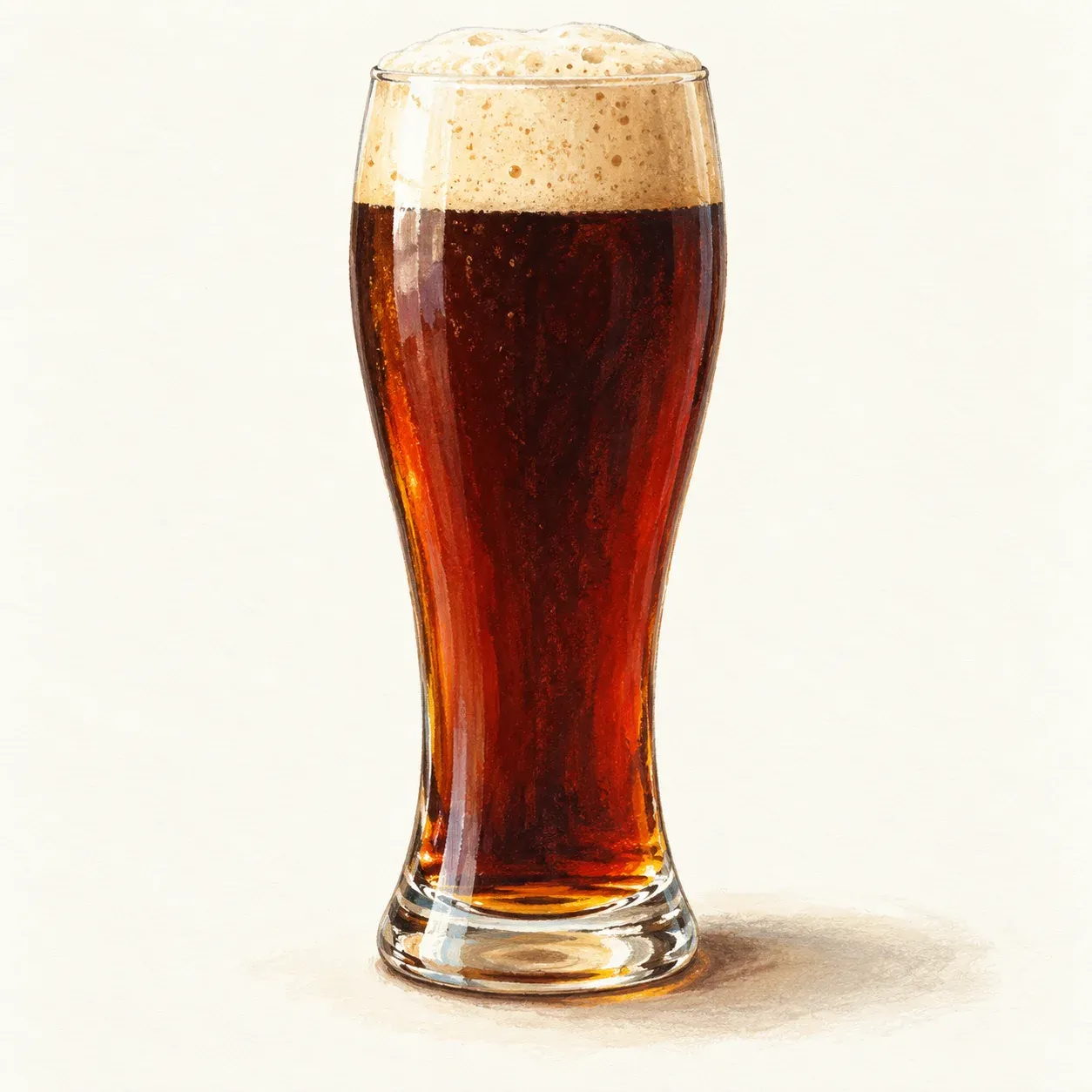
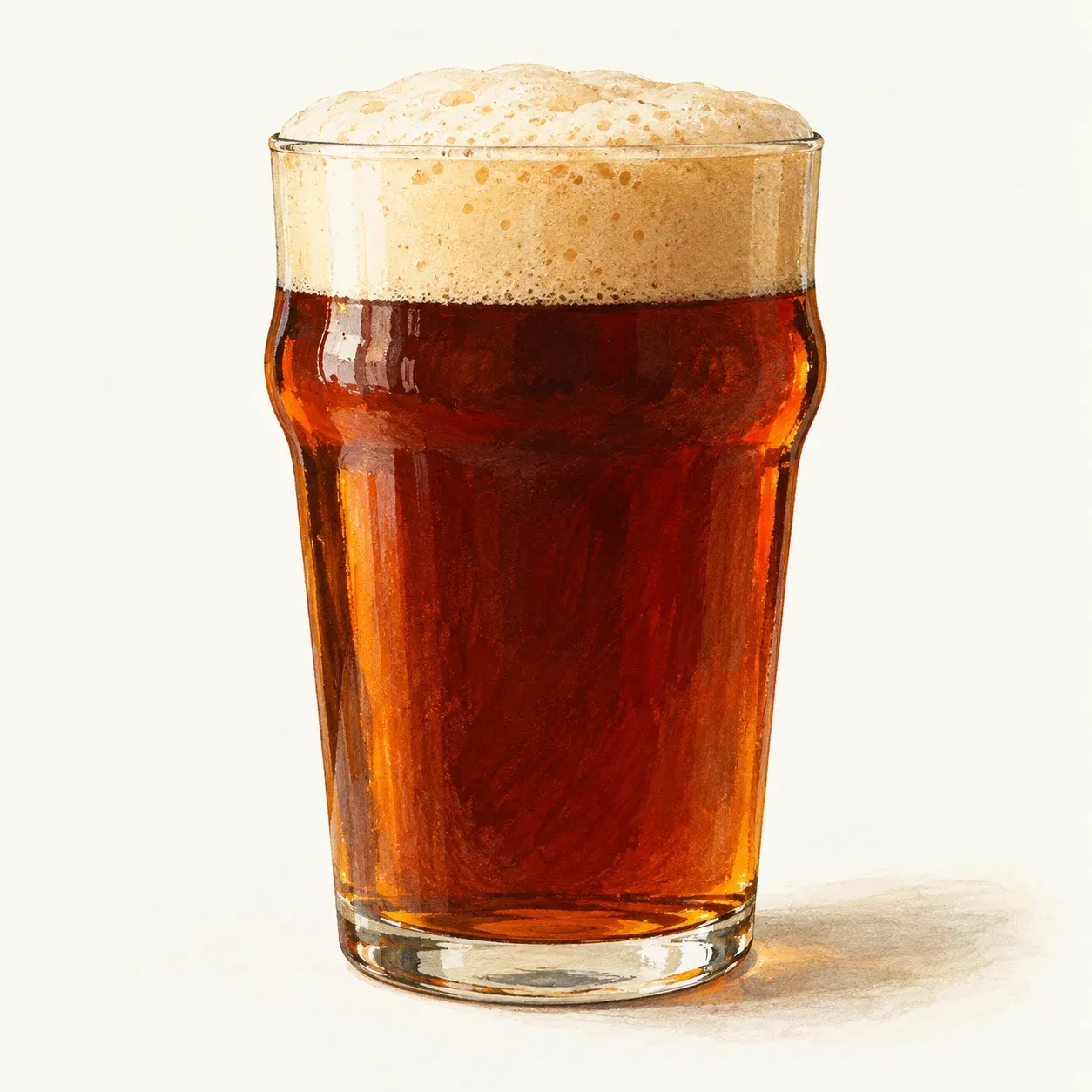
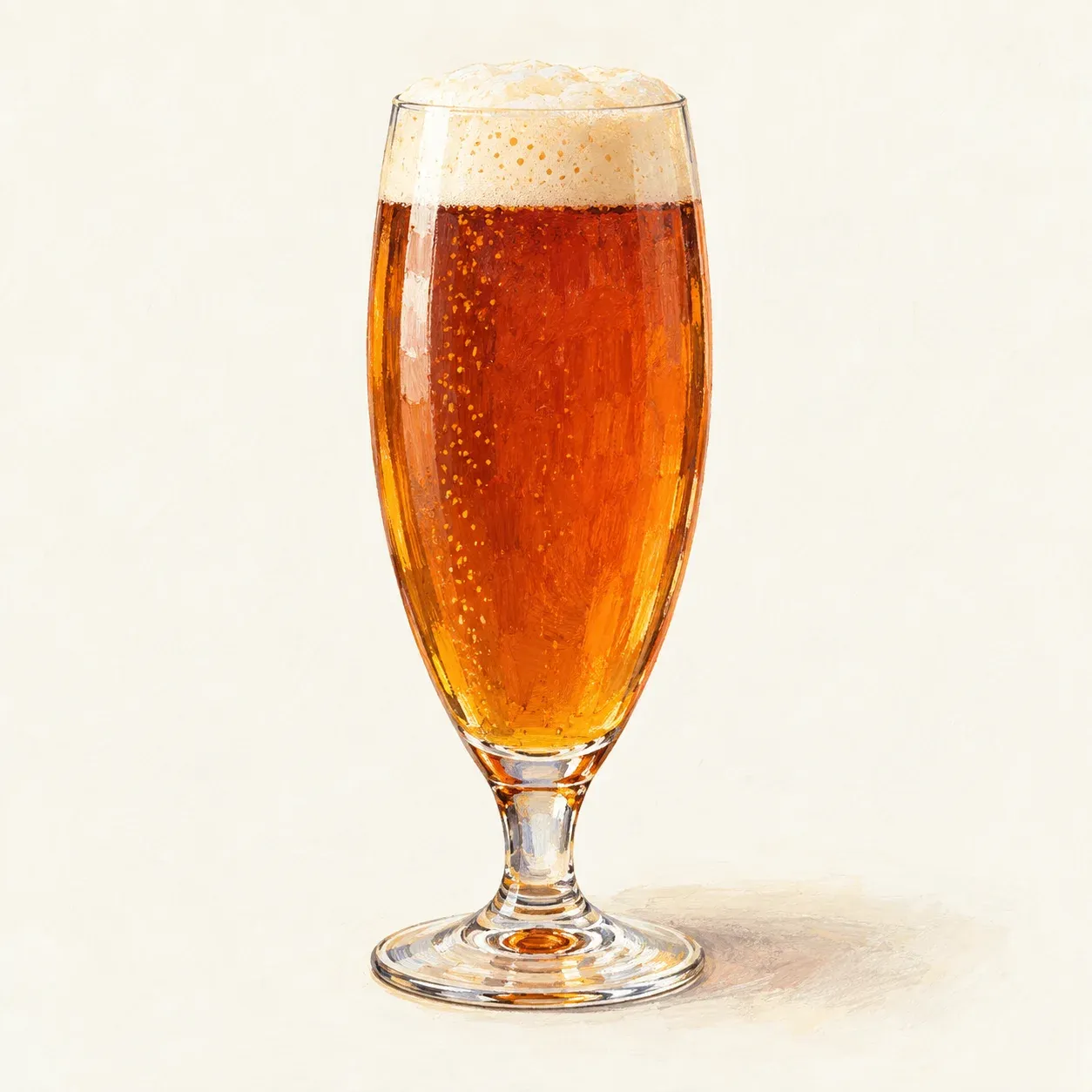
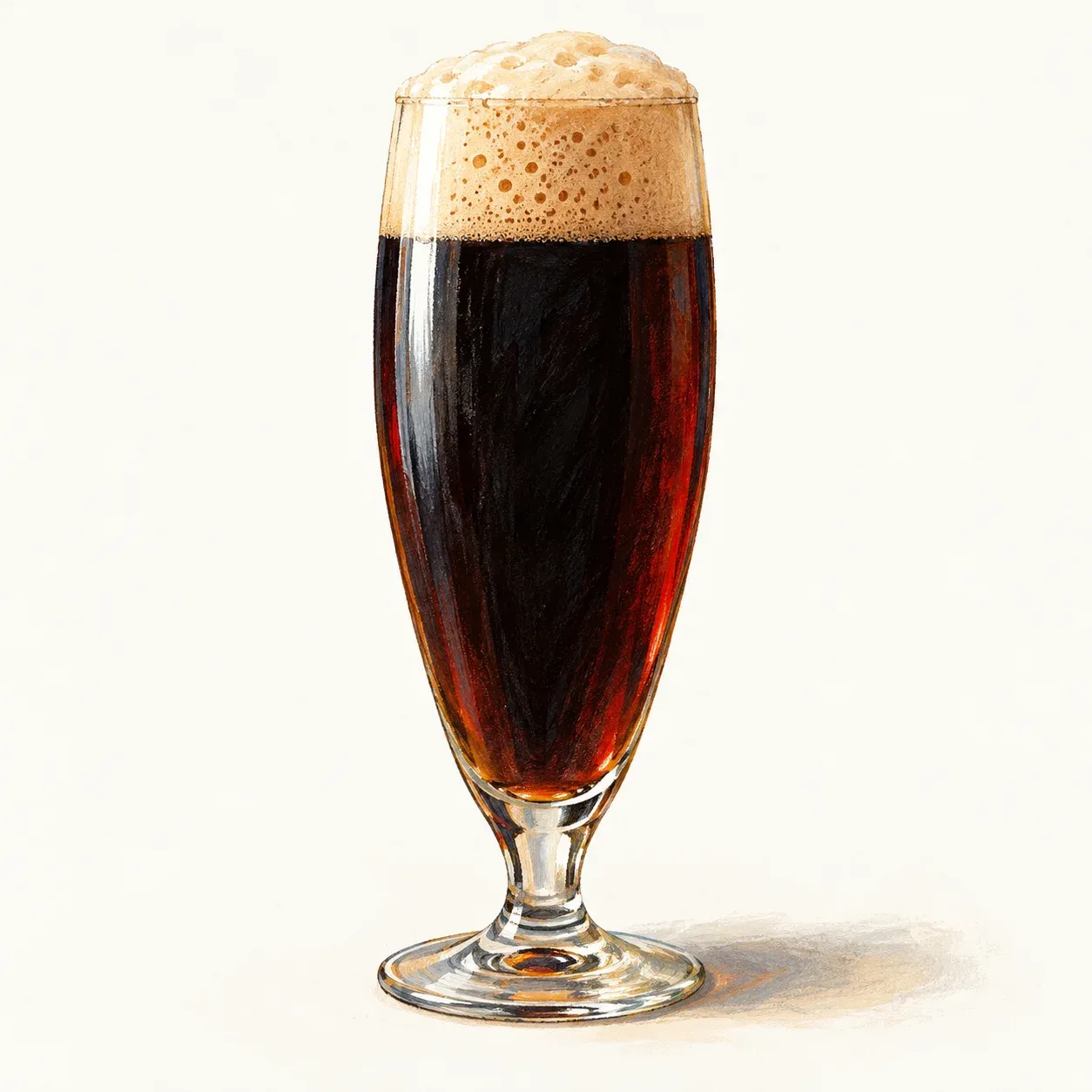
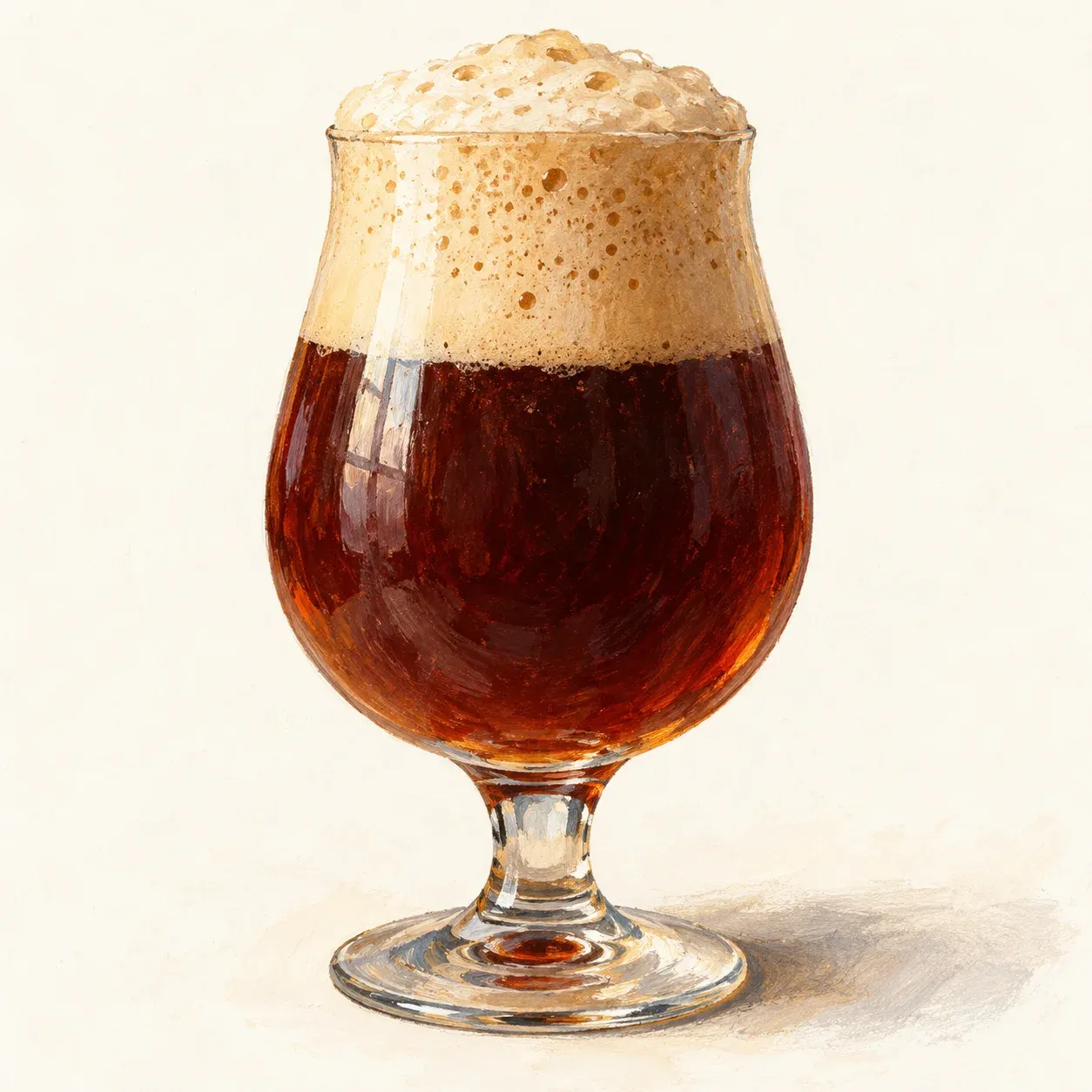
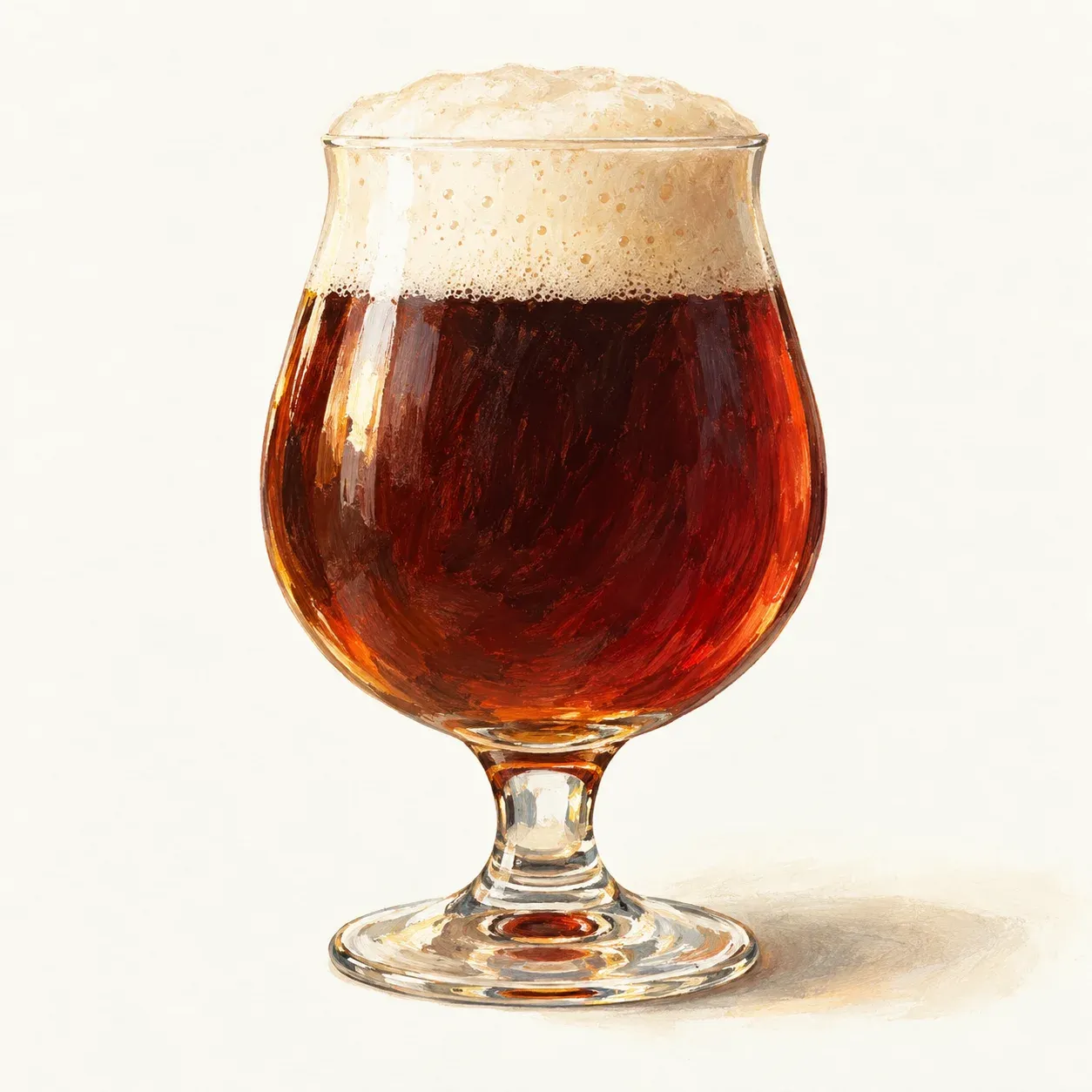
A Dunkles Bock pours light copper to brown, often with garnet highlights, and clear, under a large, creamy, off-white head. It is all malt: rich, toasty, with some dark caramel, and just enough bitterness to support it, so a little sweetness lingers without making the finish cloying. It is strong, 6.3–7.2%, smooth and medium to full in body.
Where it comes from
It began in the northern German town of Einbeck, a brewing centre and exporter in the days of the Hanseatic League, and Munich brewers took it up from the 17th century; the BJCP notes that Bock also translates as ram, which is why the animal appears on so many labels. Einbeck beer is documented from 1378, and the Einbecker Brauhaus still brews its Ur-Bock Dunkel. In Norway, Aass brews a bock the BJCP counts among the classic examples.
Brewers use Munich and Vienna malts, never adjuncts, with continental hops and a clean lager yeast. A decoction mash builds the caramel and toasty malt flavours.
How to serve it
Pour it at 7–10 °C into a tulip glass. It goes with a grilled rib-eye, an aged Swiss cheese or chocolate.
Next to its neighbours
It is darker and richer, and less bitter, than a helles bock, and weaker and less rich than a doppelbock. It is stronger and maltier than a Märzen.
Dunkles Bock in numbers
- Classic examples
- Einbecker Brauhaus, Aass Bryggeri
- Original gravity
- 1.064–1.072
- Final gravity
- 1.013–1.019
- Name
- Bock, from the town of Einbeck; the BJCP notes it also means ram in German
- Food
- Grilled rib-eye; aged Swiss cheese; chocolate
- Classic examples
- Einbecker Ur-Bock Dunkel; Aass Bock; Kneitinger Bock; Schell’s Bock; Lindeboom Bock
- BJCP style
- 6C Dunkles Bock
Sources
Checked .
- 6C. Dunkles Bock, 2021 Beer Style Guidelines — Beer Judge Certification Program
- German-Style Bock — CraftBeer.com, Brewers Association