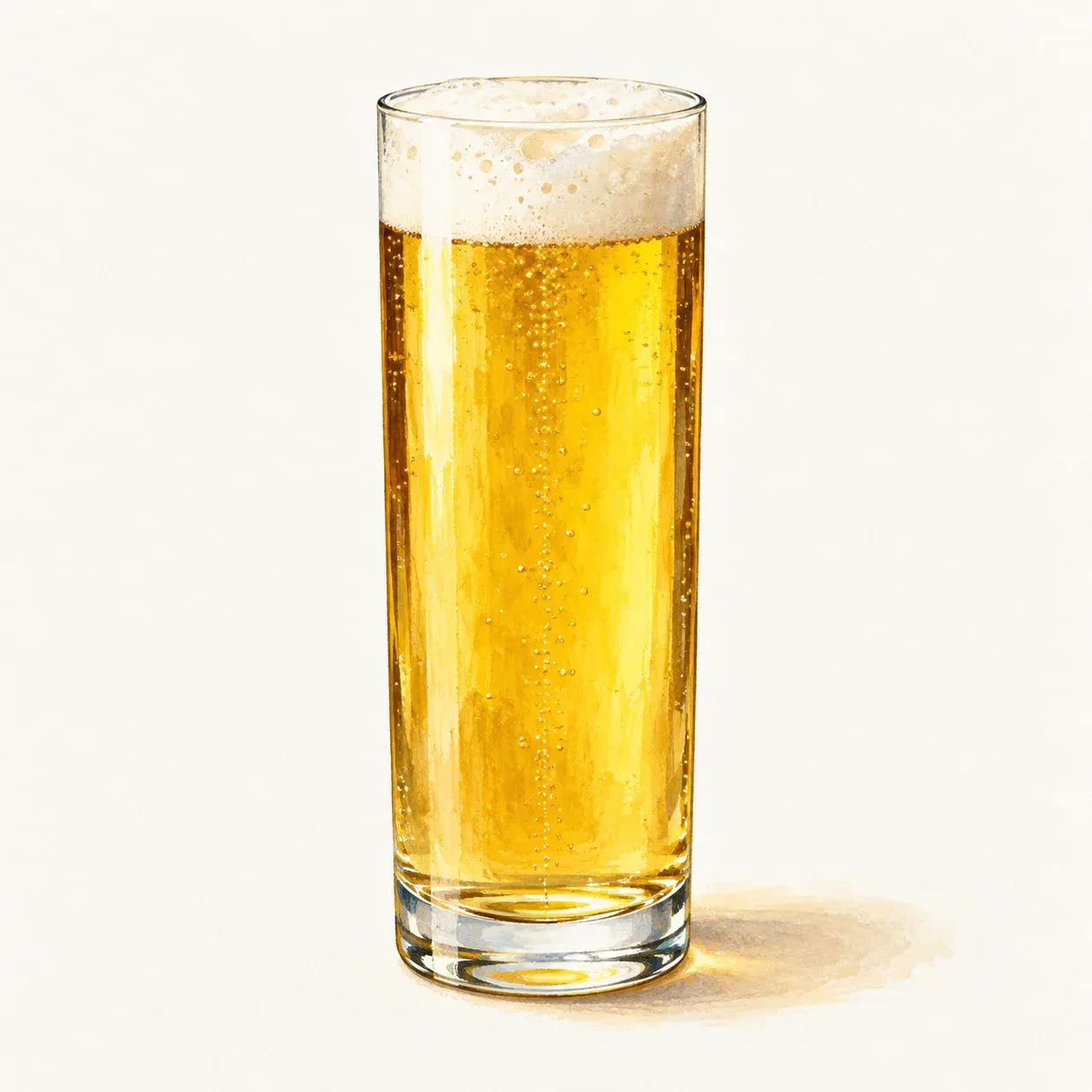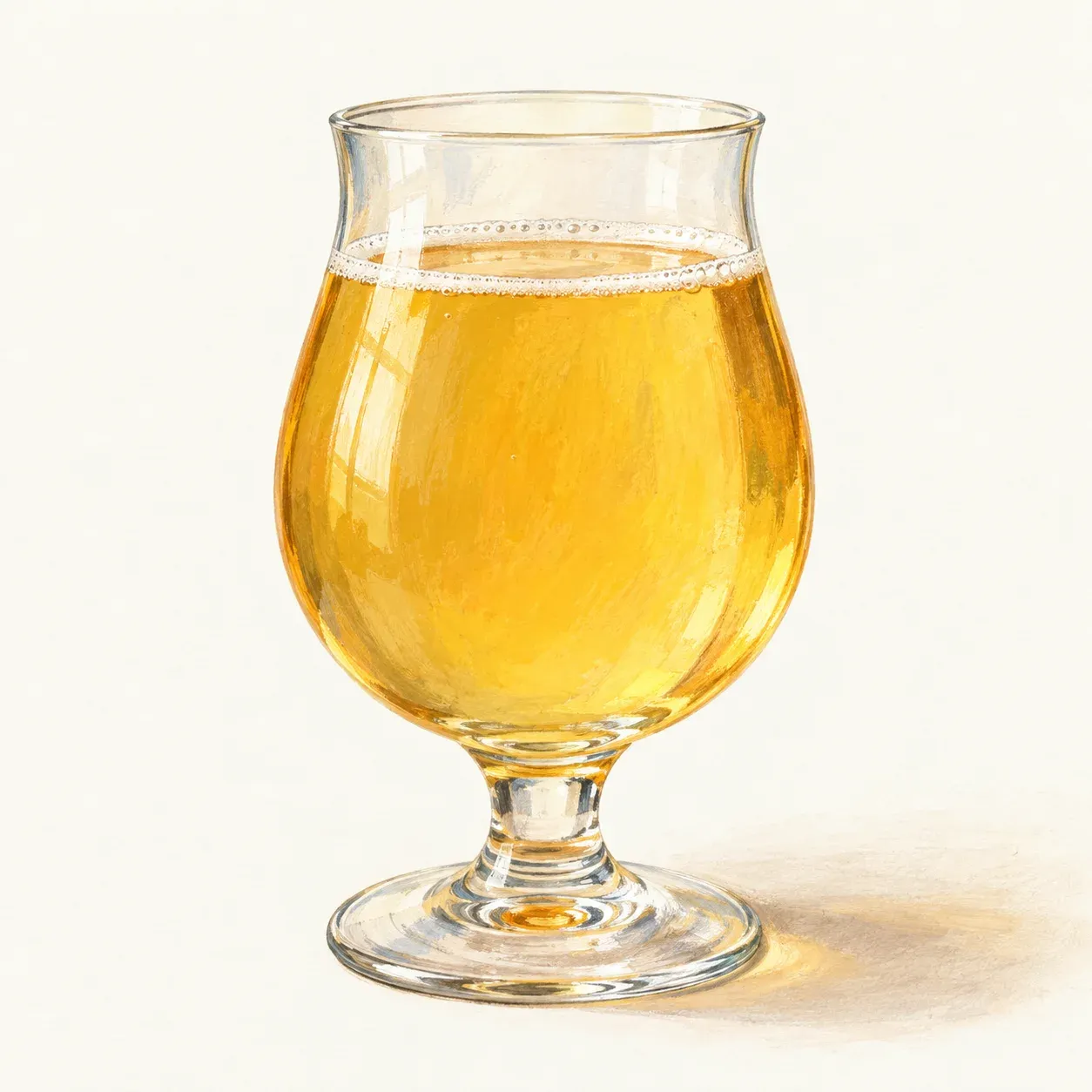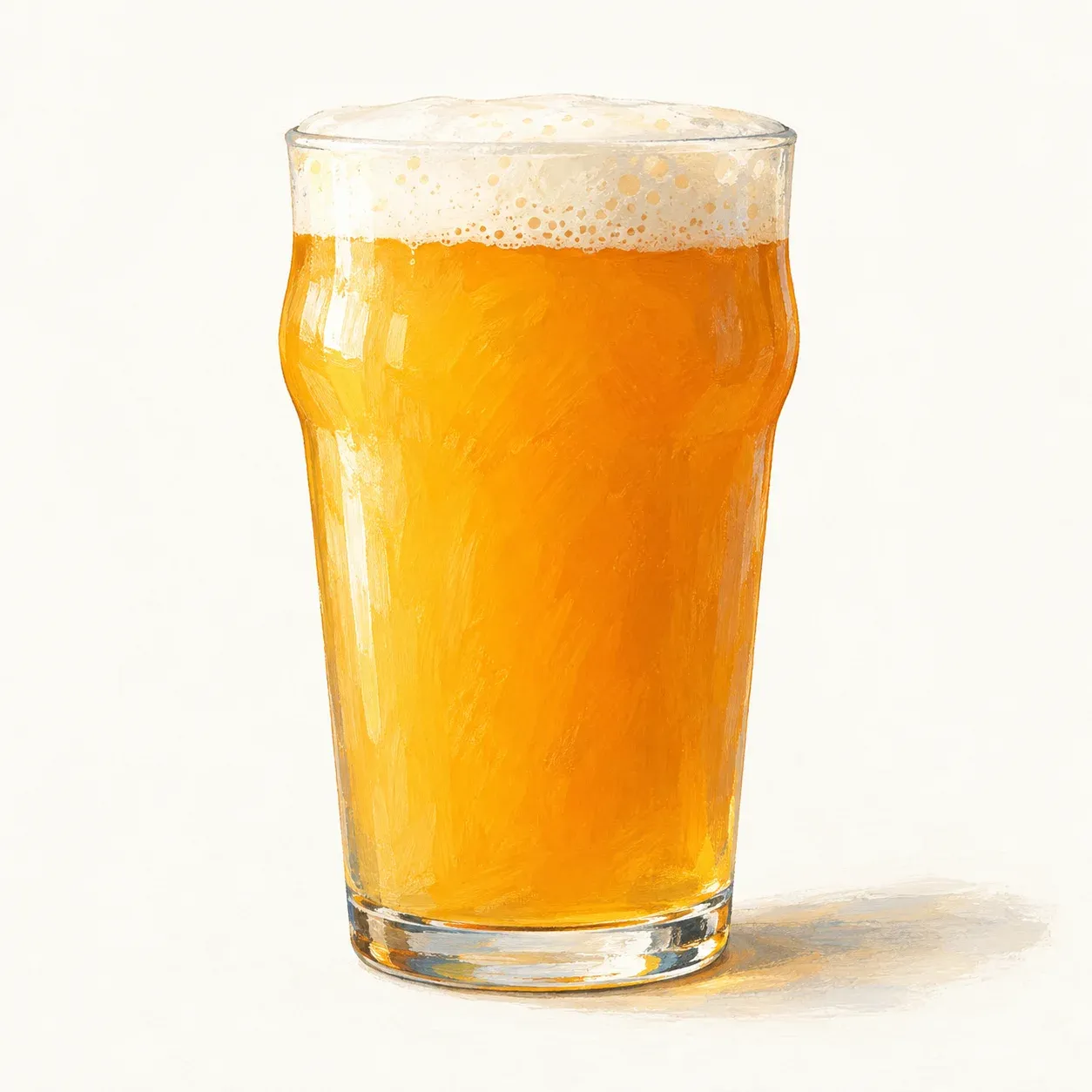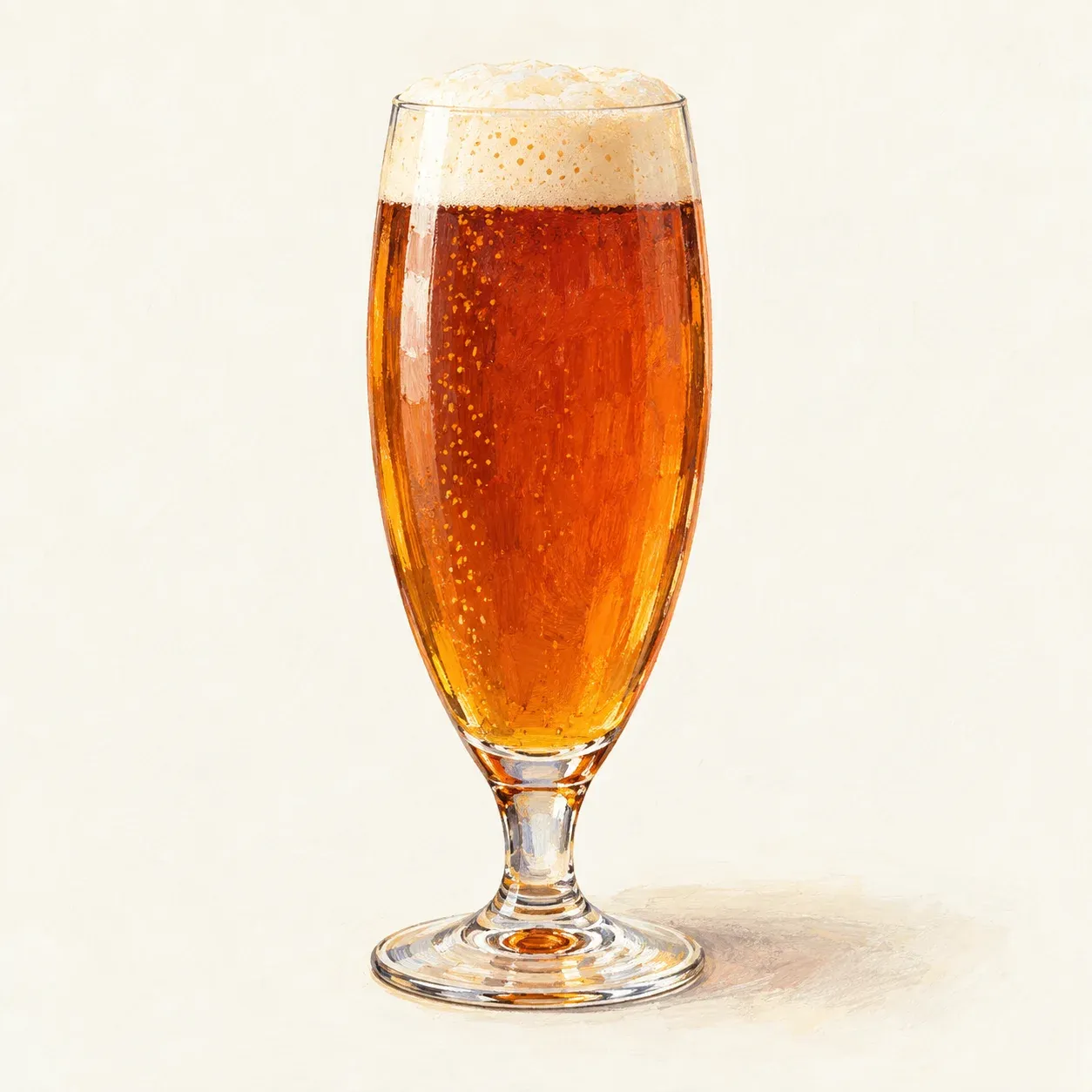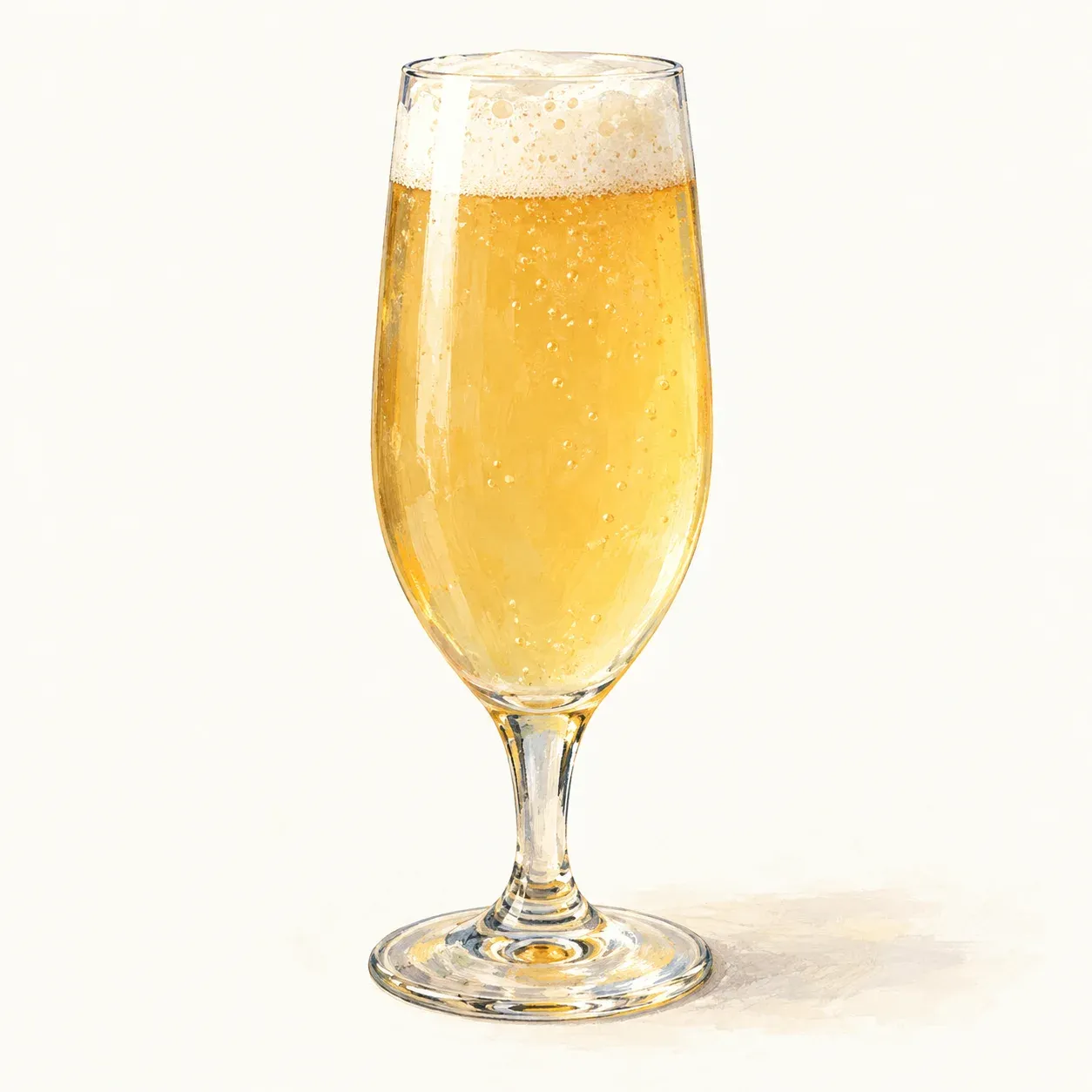
Gose
Gose: a tart, hazy wheat beer from Leipzig, brewed with salt and coriander and revived after it died out in 1966. Strength, glass and classic examples.
- Family
- Wild & sour
- Origin
- Germany
- Colour
- Pale
- Strength
- 4.2–4.8% ABV
- Bitterness
- 5–12 IBU
- Colour scale
- 3–4 SRM (6–8 EBC)
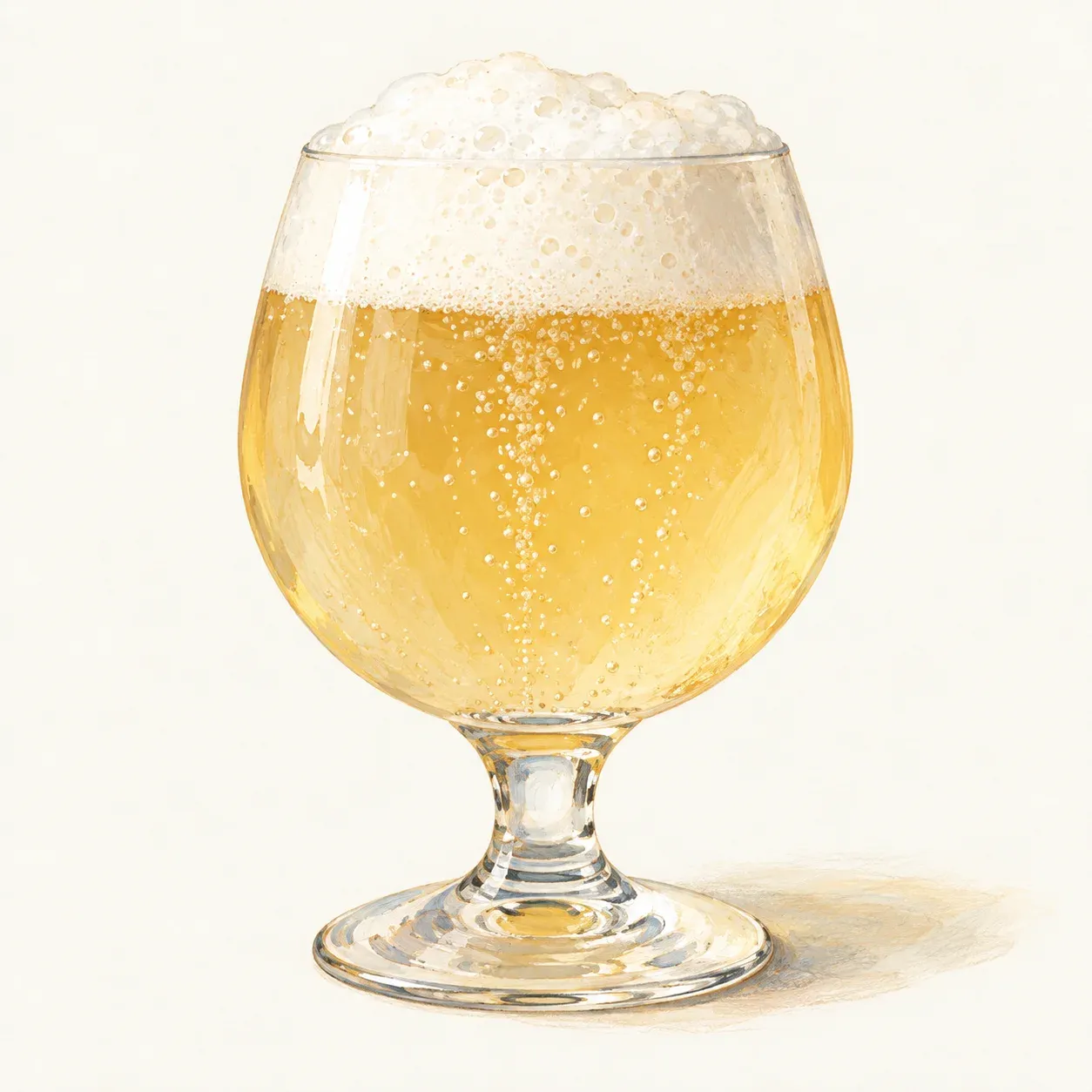
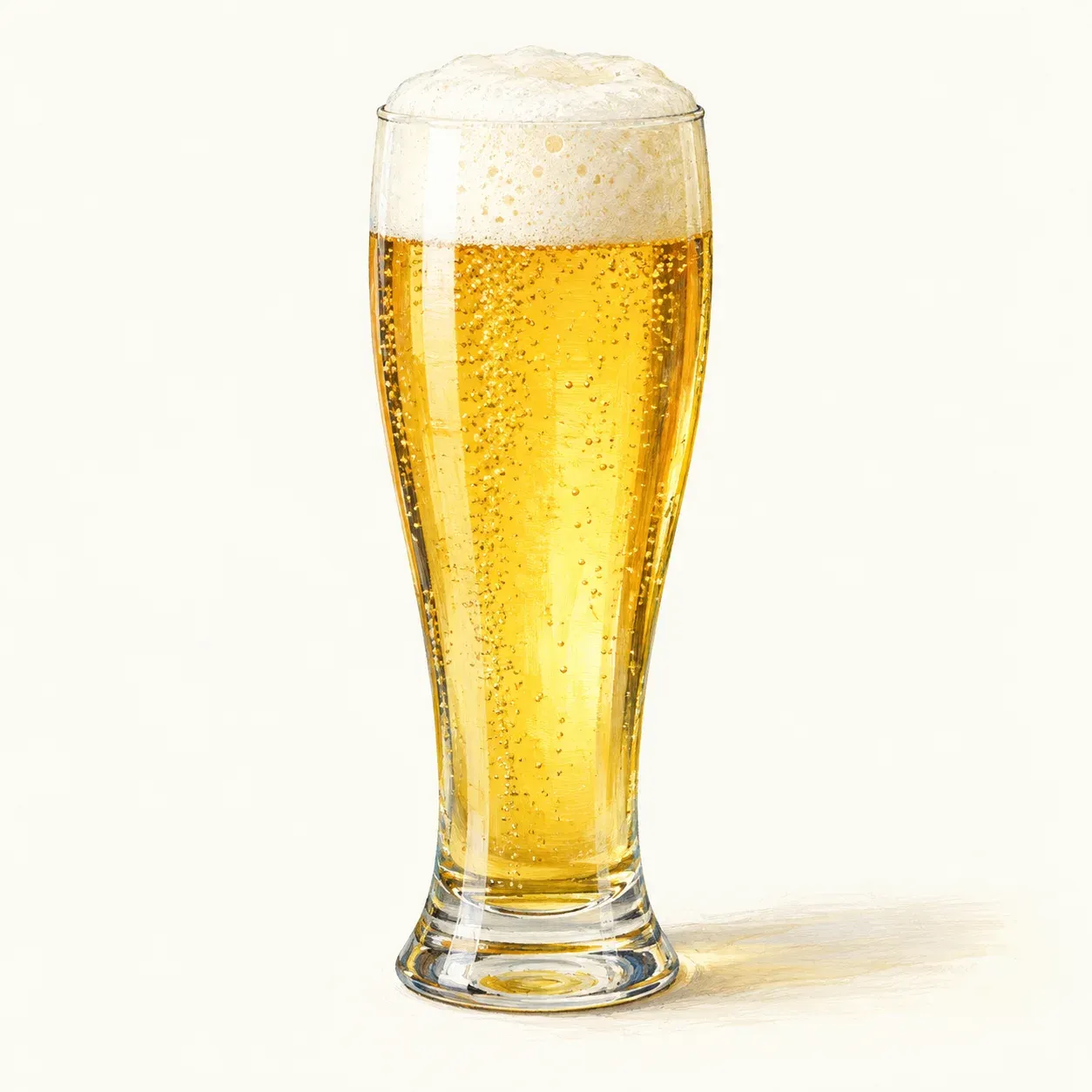
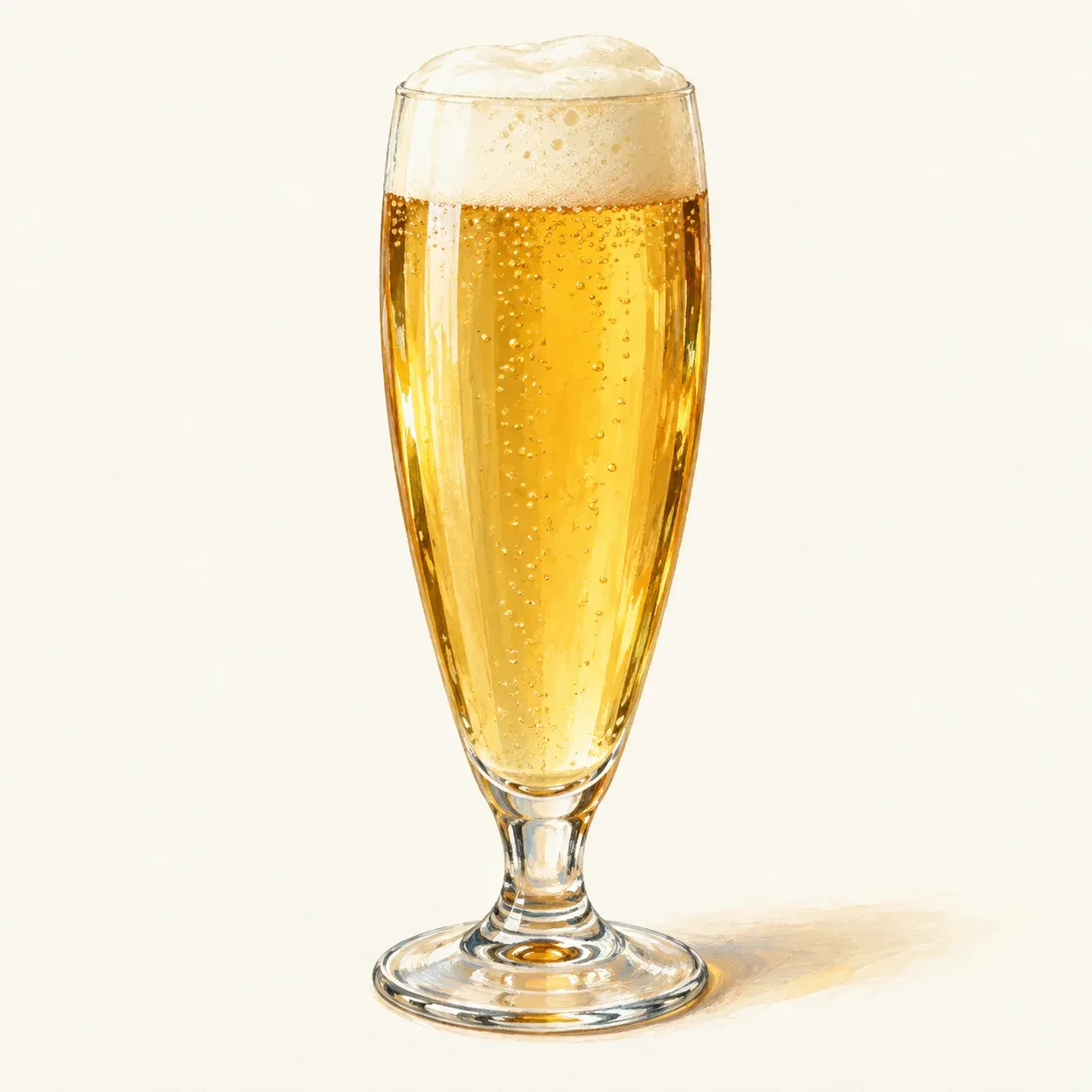
- Glass
- Flute
- Serve at
- 4–10 °C
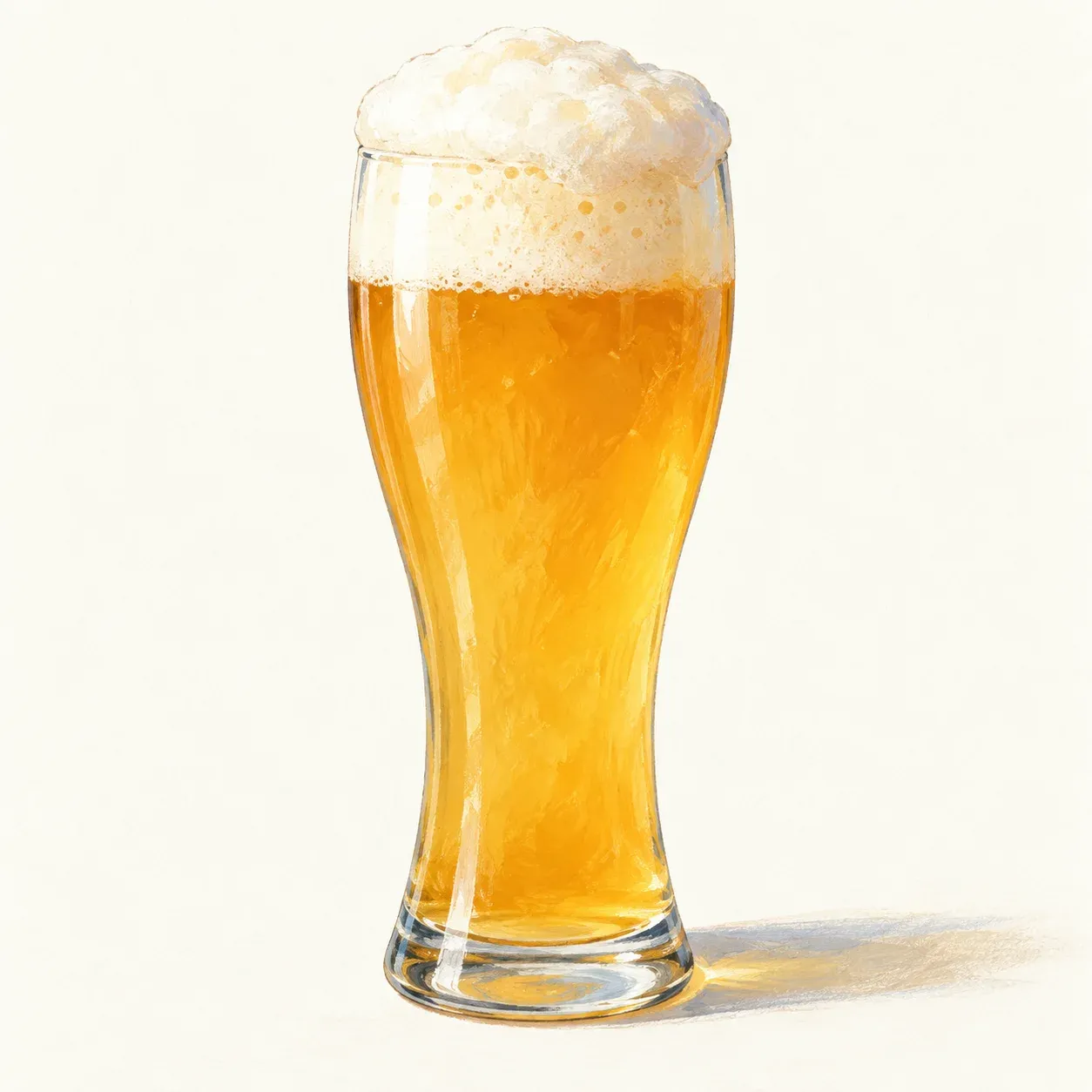
A gose (say GOH-zeh) pours yellow and hazy under a tight white head, and tastes tart, bright and dry, with a faint salty edge and the lemony lift of coriander. Neither should shout: you notice the salt more as a roundness than as a salty taste. The bitterness stays low and the bubbles high.
Where it comes from
The style began in the Middle Ages in Goslar, on the river Gose, and moved to Leipzig, where records place it by 1740. Leipzig had some 80 Gose houses in 1900. After the Second World War production fell, and in 1966 it stopped altogether. German brewers revived it in the 1980s, but it stayed rare until brewers abroad picked it up; today many fruited sour beers start from a gose base.
Brewers use Pilsner and wheat malt, a little salt and coriander seed, and lactic bacteria for the tartness. Older versions, fermented spontaneously, tasted more sour, and drinkers sometimes mixed in syrup or caraway liqueur.
How to serve it
Pour it at 4–10 °C into a flute. It suits a watermelon salad, a fresh queso fresco, and lemony desserts.
Next to its neighbours
A gose tastes less sharp than a Berliner Weisse or a Gueuze. Its coriander recalls a Witbier and its haze a Weissbier.
Gose in numbers
- Original gravity
- 1.036–1.056
- Final gravity
- 1.006–1.010
- Pronounced
- GOH-zeh
- Food
- Watermelon salad; queso fresco; Greek yoghurt lemon mousse
- Classic examples
- Bayerischer Bahnhof Leipziger Gose; Original Ritterguts Gose; Anderson Valley Gose; Westbrook Gose
- BJCP style
- 23G Gose
Sources
Checked .
- 23G. Gose, 2021 Beer Style Guidelines — Beer Judge Certification Program
- Contemporary Gose — CraftBeer.com, Brewers Association